
PRODUCTS
Popular products
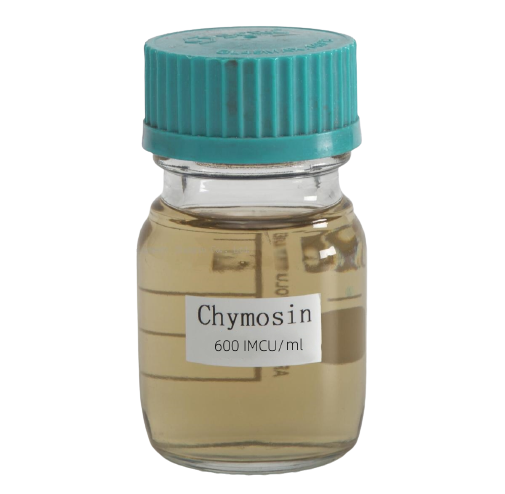

Technical Data Sheet
YotaREN — Chymosin (Rennin)
Microbial Milk-Clotting Enzyme · 100 % Chymosin · Fermentation-Derived Coagulant for Cheese Making
EC 3.4.23.4 · CAS 9001-98-3 · Aspartic Endopeptidase
Source: Kluyveromyces lactis Submerged Fermentation · Non-GMO · 100 % Chymosin Composition
Available: 600 · 1,000 · 2,200 · 20,000 IMCU/mg · Granular & Liquid Forms
Source: Kluyveromyces lactis Submerged Fermentation · Non-GMO · 100 % Chymosin Composition
Available: 600 · 1,000 · 2,200 · 20,000 IMCU/mg · Granular & Liquid Forms
Doc: TDS-CHY-001
Rev: 01 · June 2026
Rev: 01 · June 2026
📋 Product Identification
Product Name
YotaREN Chymosin (Rennin)
Product Line
YOTABIO Enzymes — Chymosin
Enzyme Class
Aspartic Endopeptidase (EC 3.4.23.4)
CAS Number
9001-98-3
Source Organism
Kluyveromyces lactis (yeast fermentation)
Enzymatic Composition
100 % Chymosin
Activity Grades
600 · 1,000 · 2,200 · 20,000 IMCU/mg
Forms Available
Granular (powder) & Liquid
Composition (Liquid)
Water, Glycerin, Sodium Chloride, Chymosin
Application
Milk Clotting Enzyme for Cheese Making
Trademark
YOTAREN
GMO Status
Non-GMO (Reg. EC 1829/2003 & 1830/2003)
Allergens
None declared
HS Code
3507909090
Origin
Made in China
Production Capacity
600 Tons
🔬 Product Description
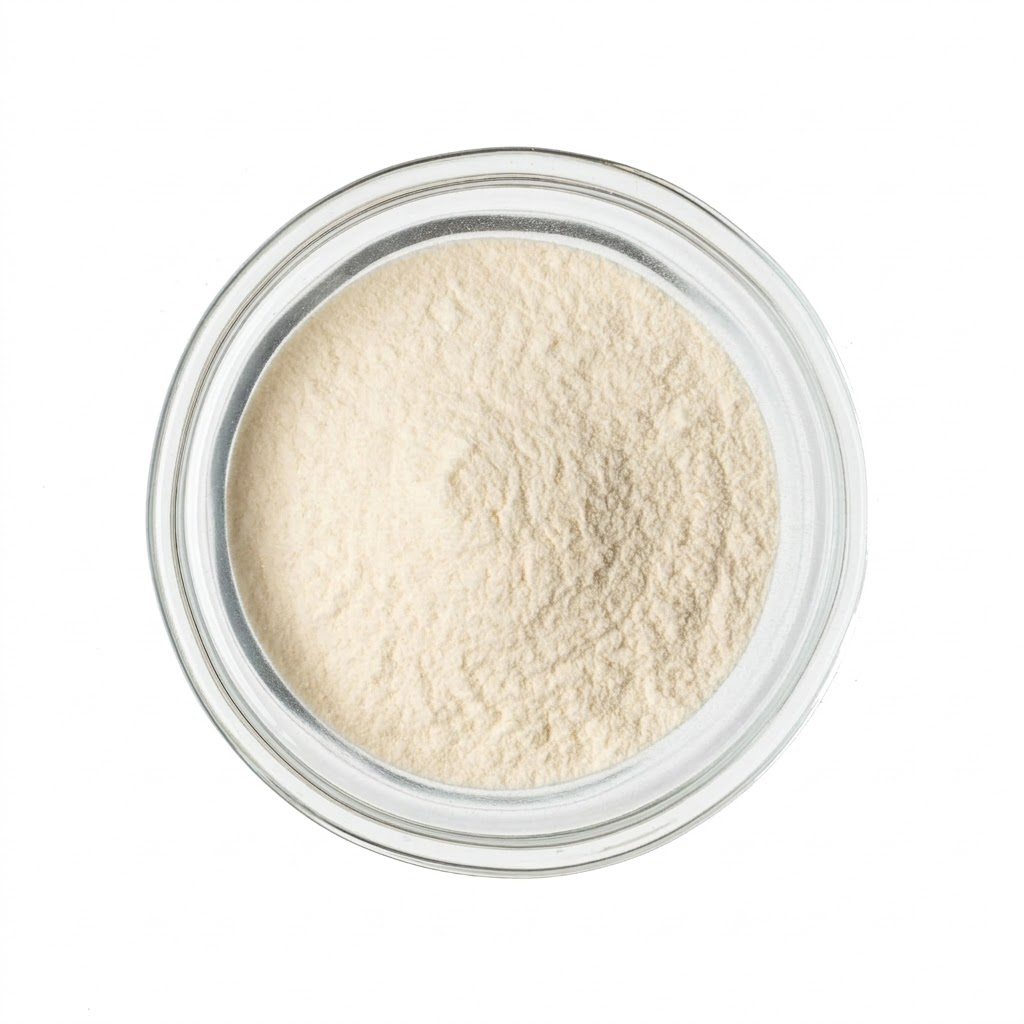
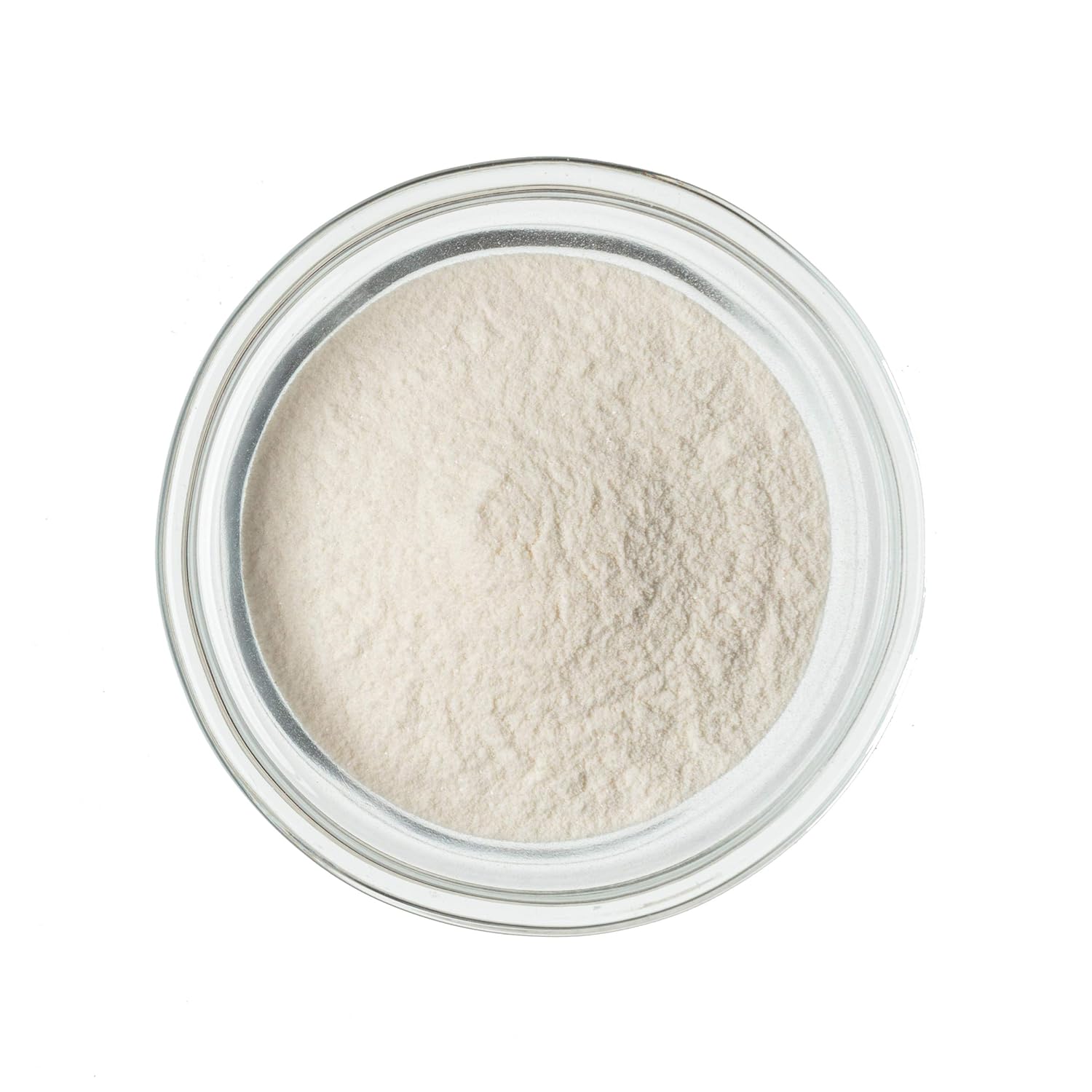
YotaREN Chymosin (CAS 9001-98-3) is a high-purity, 100 % chymosin milk-clotting enzyme produced by submerged fermentation of the yeast Kluyveromyces lactis. It is a food-grade aspartic endopeptidase (EC 3.4.23.4) that specifically cleaves the Phe₁₀₅–Met₁₀₆ bond of κ-casein in milk, destabilising the casein micelle structure and triggering controlled coagulation to form curds.
Chymosin is the principal enzyme historically obtained from the abomasum (fourth stomach) of newborn calves for traditional cheese making. YotaREN provides the same enzyme through microbial fermentation technology, delivering consistent, high-quality coagulation without animal sourcing. The product is non-GMO, free from animal disease risk, and carries both Kosher and Halal certification.
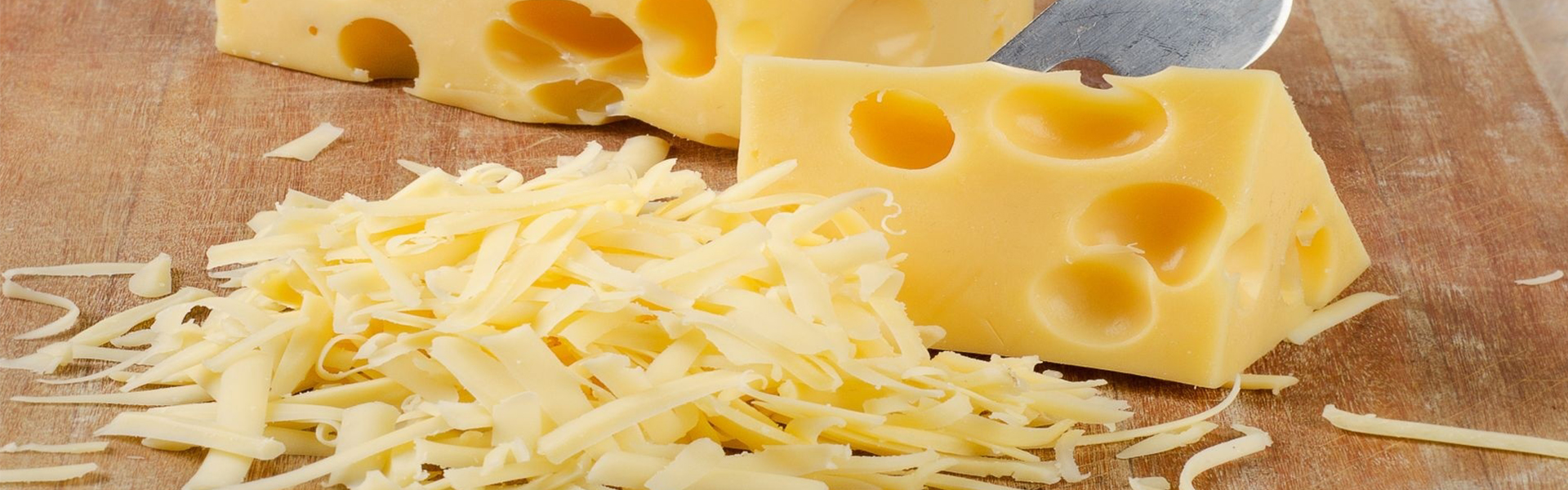
Available in four activity grades (600, 1,000, 2,200, and 20,000 IMCU/mg) and two physical forms (granular powder and liquid), YotaREN is suitable for producing any type of cheese — hard, semi-hard, soft, mould-ripened, low-fat, and ingredient cheeses. The CHY600 grade is particularly suited for mozzarella and cheddar-type cheeses, delivering consistent texture that remains easy to cut, grate, and shred over time.
Chymosin is the principal enzyme historically obtained from the abomasum (fourth stomach) of newborn calves for traditional cheese making. YotaREN provides the same enzyme through microbial fermentation technology, delivering consistent, high-quality coagulation without animal sourcing. The product is non-GMO, free from animal disease risk, and carries both Kosher and Halal certification.
Available in four activity grades (600, 1,000, 2,200, and 20,000 IMCU/mg) and two physical forms (granular powder and liquid), YotaREN is suitable for producing any type of cheese — hard, semi-hard, soft, mould-ripened, low-fat, and ingredient cheeses. The CHY600 grade is particularly suited for mozzarella and cheddar-type cheeses, delivering consistent texture that remains easy to cut, grate, and shred over time.
100% Chymosin
Pure enzymatic composition — no pepsin, no fillers, superior κ-casein specificity
Microbial Source
K. lactis fermentation — no animal sourcing, consistent supply & quality
Non-GMO
Compliant with EU Reg. 1829/2003 & 1830/2003 on GMO traceability
Halal & Kosher
Dual certified — suitable for all religious dietary requirements
Higher Yield
Superior milk coagulation efficiency = increased cheese production output
Stable Pricing
Fermentation-based — not subject to animal rennet supply fluctuations
⚙️ Enzyme Biochemistry & Mechanism of Action
Chymosin (EC 3.4.23.4) is an aspartic protease with exquisite substrate specificity. Its primary action in cheese making is the highly specific cleavage of κ-casein, the "hairy" protein that stabilises casein micelles in milk. This single enzymatic event triggers a cascade of physical changes that convert liquid milk into a semi-solid curd matrix.
1
κ-Casein Cleavage
Chymosin specifically cleaves the Phe₁₀₅–Met₁₀₆ peptide bond in κ-casein, releasing the hydrophilic glycomacropeptide (GMP) fragment (residues 106–169) into the whey.
2
Micelle Destabilisation
Loss of the GMP removes the steric & electrostatic repulsion that keeps casein micelles dispersed. The remaining para-κ-casein exposes hydrophobic surfaces.
3
Aggregation & Gelation
Destabilised micelles aggregate through Ca²⁺-mediated cross-links between exposed para-κ-casein surfaces, forming a three-dimensional gel (curd) network that traps fat and moisture.
4
Curd Firming & Syneresis
The gel contracts (syneresis), expelling whey. Curd firmness increases over time. The rate is influenced by temperature, pH, Ca²⁺ concentration, and enzyme dosage.
WHY 100% CHYMOSIN MATTERS: Animal rennet typically contains a mixture of chymosin (~80%) and pepsin (~20%). Pepsin has broader, less specific proteolytic activity that can cause bitterness during cheese ripening. YotaREN's 100% chymosin composition ensures clean flavour development, predictable coagulation, and reduced bitterness risk — particularly important for long-ripened and aged cheeses.
📊 Product Grades & Activity Levels
YotaREN Chymosin is available in four activity grades, each suited for different cheese production scales and application requirements. Activity is measured in IMCU/mg (International Milk-Clotting Units per milligram), the internationally standardised assay for chymosin potency.
Most Popular
CHY600
≥ 600 IMCU/mg
Standard grade. Ideal for mozzarella & cheddar. Superior coagulation, clean flavour, consistent texture. Easy to cut, grate, shred. Excellent all-purpose coagulant.
Enhanced
CHY1000
≥ 1,000 IMCU/mg
Higher activity. Reduced dosage per vat. For medium-scale producers seeking economical coagulation with standard handling.
High-Activity
CHY2200
≥ 2,200 IMCU/mg
Concentrated grade. Lower dosage required. For large-scale industrial cheese production. Precise dosing critical.
Ultra-Concentrated
CHY20000
≥ 20,000 IMCU/mg
Maximum potency. For very large industrial operations. Extremely small dosage needed. Requires precision dosing equipment.
DOSAGE NOTE: Exact dosage depends on milk composition (protein content, fat, Ca²⁺, pH), target cheese type, desired coagulation time, and seasonal variation. Always conduct trial runs when switching grades or milk sources. Contact YOTABIO technical service for optimisation guidance.
📋 Product Specifications — CHY600 (Primary Grade)
🧀 Cheese Type Applications
YotaREN Chymosin is suitable for producing any type of cheese. The 100% chymosin composition delivers clean flavour, consistent coagulation, and predictable ripening across all cheese categories.
Hard Cheese
Parmesan, Grana Padano, Aged Gouda, Gruyère, Pecorino
Semi-Hard
Cheddar, Edam, Gouda, Emmental, Colby, Manchego
Soft Cheese
Brie, Camembert, Feta, Cream Cheese, Queso Fresco
Pasta Filata
Mozzarella, Provolone, Scamorza — CHY600 recommended
Mould-Ripened
Blue cheese, Roquefort, Stilton, Gorgonzola
Low-Fat Cheese
Reduced-fat variants — 100% chymosin minimises bitterness
Ingredient Cheese
EMC, processed cheese, analogue cheese, cheese powder
Fresh / White
Paneer, Quark, Cottage cheese, Ricotta
CHY600 FOR MOZZARELLA & CHEDDAR: The CHY600 grade is particularly suited to mozzarella and cheddar-type cheeses, ensuring superior milk coagulation and cheese yield, consistent taste and flavour development during ripening, and reduced influence of seasonal milk composition changes. The resulting texture remains easy to cut, grate, and shred even after extended storage.
📝 Direction for Use — Cheese Making Process
YotaREN Chymosin integrates into the standard cheese making workflow at the coagulation stage. For granular/powder form, dissolve first in chlorine-free water. For liquid form, dilute and add directly.
1
Prepare Milk
Pasteurise or thermise milk. Add CaCl₂ if needed. Heat to renneting temperature (30–35 °C).
→
2
Dissolve Chymosin
Dissolve powder in 20× volume of potable, chlorine-free water. (e.g. 10 g → 200 mL).
→
3
Add Culture
Add starter culture and ripen milk to target pH (6.3–6.5 typical). Then add chymosin solution.
→
4
Mix & Set
Stir 2–5 minutes, then stop. Allow milk to set undisturbed for 25–45 min until clean break.
→
5
Cut & Process
Cut curd at clean break. Stir, cook, drain whey, mould, press, brine, ripen per cheese type.
CRITICAL POINTS: (1) Chlorine destroys chymosin activity — always use chlorine-free water for dissolution. (2) Use dissolved enzyme immediately — do not store the solution. (3) Ensure milk temperature is within 30–42 °C for optimal coagulation. (4) Over-dosing shortens coagulation time but may produce a harder, less elastic curd — always trial first.
🌡️ Optimal Operating Conditions
⚖️ YotaREN Chymosin vs Alternative Coagulants
🏆 Key Benefits of YotaREN Chymosin
⏳ Ripening & Proteolysis — Why 100% Chymosin Matters
During cheese ripening, residual coagulant retained in the curd contributes to proteolysis — the gradual breakdown of proteins that develops flavour and texture. The type of coagulant used directly impacts ripening outcomes.
SCIENCE NOTE: During ripening, chymosin cleaves αs1-casein primarily at the Phe₂₃–Phe₂₄ bond, producing αs1-I casein. This is a controlled, predictable proteolytic event. Pepsin, in contrast, acts more broadly on both αs1- and β-caseins, generating a wider range of peptides — including hydrophobic peptides responsible for bitterness. This is why 100% chymosin coagulants produce cleaner-flavoured cheese, particularly in extended ripening.
📜 Regulatory Status & Certifications
YotaREN Chymosin is produced under strict food-safety protocols and complies with international enzyme food-processing standards. The product is non-GMO and carries both Halal and Kosher certifications.
🇪🇺
European Union
Non-GMO: Reg. (EC) 1829/2003
Traceability: Reg. (EC) 1830/2003
Food Enzyme Reg. pending
FCC/JECFA specs compliant
Traceability: Reg. (EC) 1830/2003
Food Enzyme Reg. pending
FCC/JECFA specs compliant
🇺🇸
United States
GRAS status for chymosin
FDA 21 CFR Processing Aid
FCCV monograph compliant
Enzyme preparation
FDA 21 CFR Processing Aid
FCCV monograph compliant
Enzyme preparation
🌐
International
FAO/WHO JECFA evaluated
Codex GSFA: Processing Aid
CAS 9001-98-3 listed
EC 3.4.23.4 classified
Codex GSFA: Processing Aid
CAS 9001-98-3 listed
EC 3.4.23.4 classified
Halal
Certified Halal — microbial source, no animal components
Kosher
Certified Kosher — fermentation-derived, no animal enzymes
Non-GMO
EU Reg. 1829/2003 & 1830/2003 compliant
Allergen-Free
No declared allergens — suitable for all dietary needs
🧬 Source Organism — Kluyveromyces lactis
YotaREN Chymosin is produced by submerged fermentation of Kluyveromyces lactis, a dairy-associated yeast species with a long history of safe use in food processing. K. lactis is naturally found in dairy environments and has been extensively used for industrial enzyme and protein production.
SAFETY OF K. LACTIS: Kluyveromyces lactis holds Qualified Presumption of Safety (QPS) status from EFSA and is classified as GRAS by the US FDA. It has no history of pathogenicity and has been used in food processing for decades. The organism is absent from the final enzyme product — only the purified chymosin enzyme is present in YotaREN.
🔗 Synergistic Combinations with YOTABIO Products
YotaREN Chymosin works at the coagulation stage of cheese making. YOTABIO offers complementary products for the entire cheese production chain — from enzyme coagulation to preservation and surface protection.
COMPLETE CHEESE PRODUCTION STACK: YotaREN Chymosin (coagulation) → Lysozyme (anti-blowing, in milk) → FRESHMIX AM (anti-pathogen, in brine) → Natamycin (anti-mould, on surface) → Nisin (anti-Listeria, in milk or surface). This combination provides end-to-end protection from milk vat to finished, ripened cheese.
📏 Understanding IMCU — Activity Measurement
The activity of chymosin is expressed in IMCU (International Milk-Clotting Units), the internationally recognised standard for comparing milk-clotting enzymes. Understanding IMCU helps ensure correct dosage and consistent coagulation performance.
📦 Storage, Handling & Packaging
Temperature
< 25 °C · Cool & Dry
Conditions
Dry · Dark · Sealed
Shelf Life (Sealed)
24 Months
After Opening
3 Months
STORAGE & HANDLING: Store unopened below 25 °C in dry conditions, away from direct sunlight. After opening, shelf life is limited to 3 months provided recommended storage conditions are maintained. Never freeze liquid form. Avoid contamination — use clean, dry utensils when handling. Chlorine destroys enzyme activity — ensure all water and equipment in contact are chlorine-free.
🛡️ Safety & Toxicology
🔧 Troubleshooting & FAQs
📄 Available Documents
Ready to Upgrade Your Cheese Making with 100% Chymosin?
Contact YOTABIO for samples, COA documents, dosage trials, or custom activity grades tailored to your cheese production process.