PRODUCTS
Popular products
Technical Data Sheet
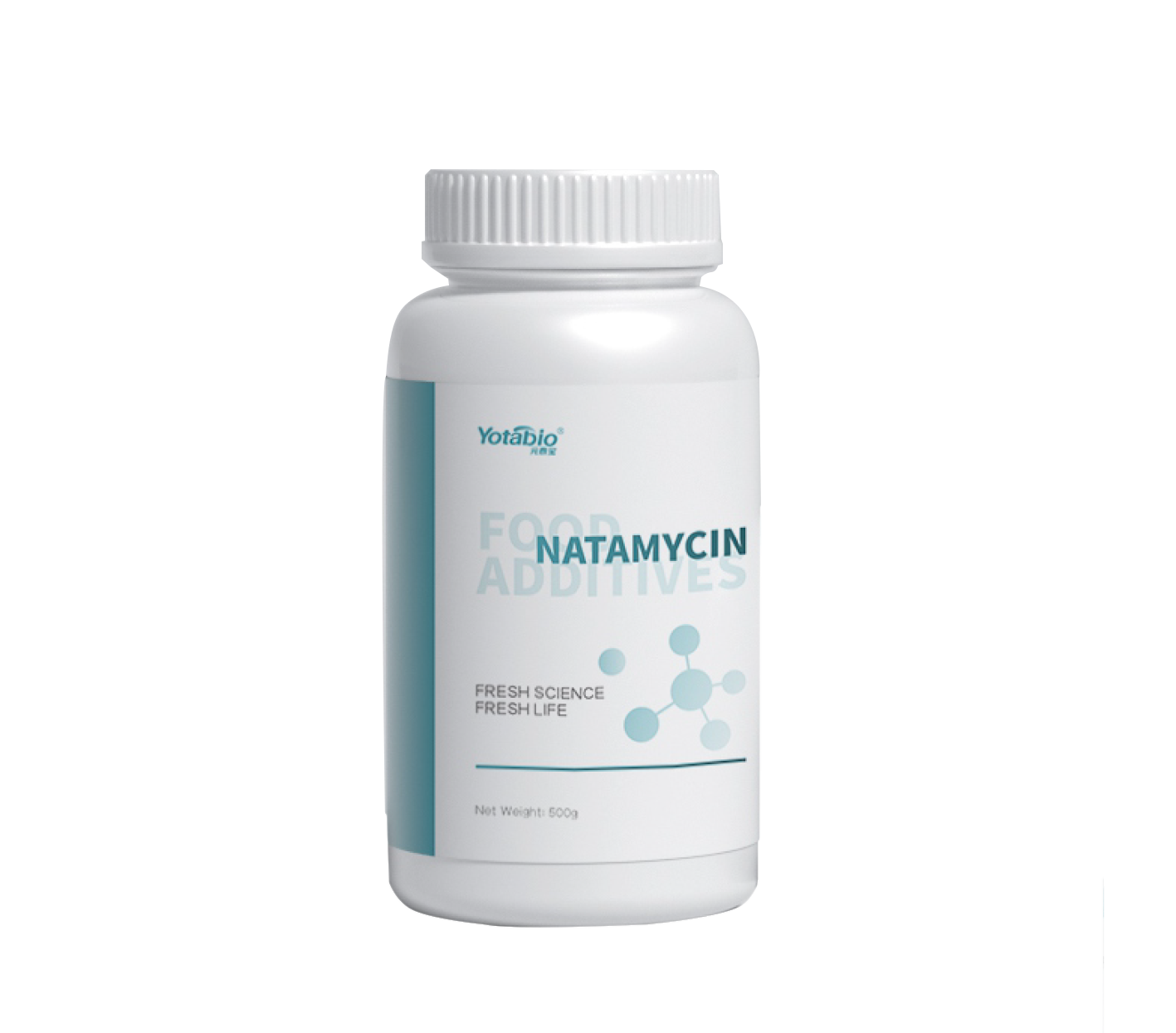
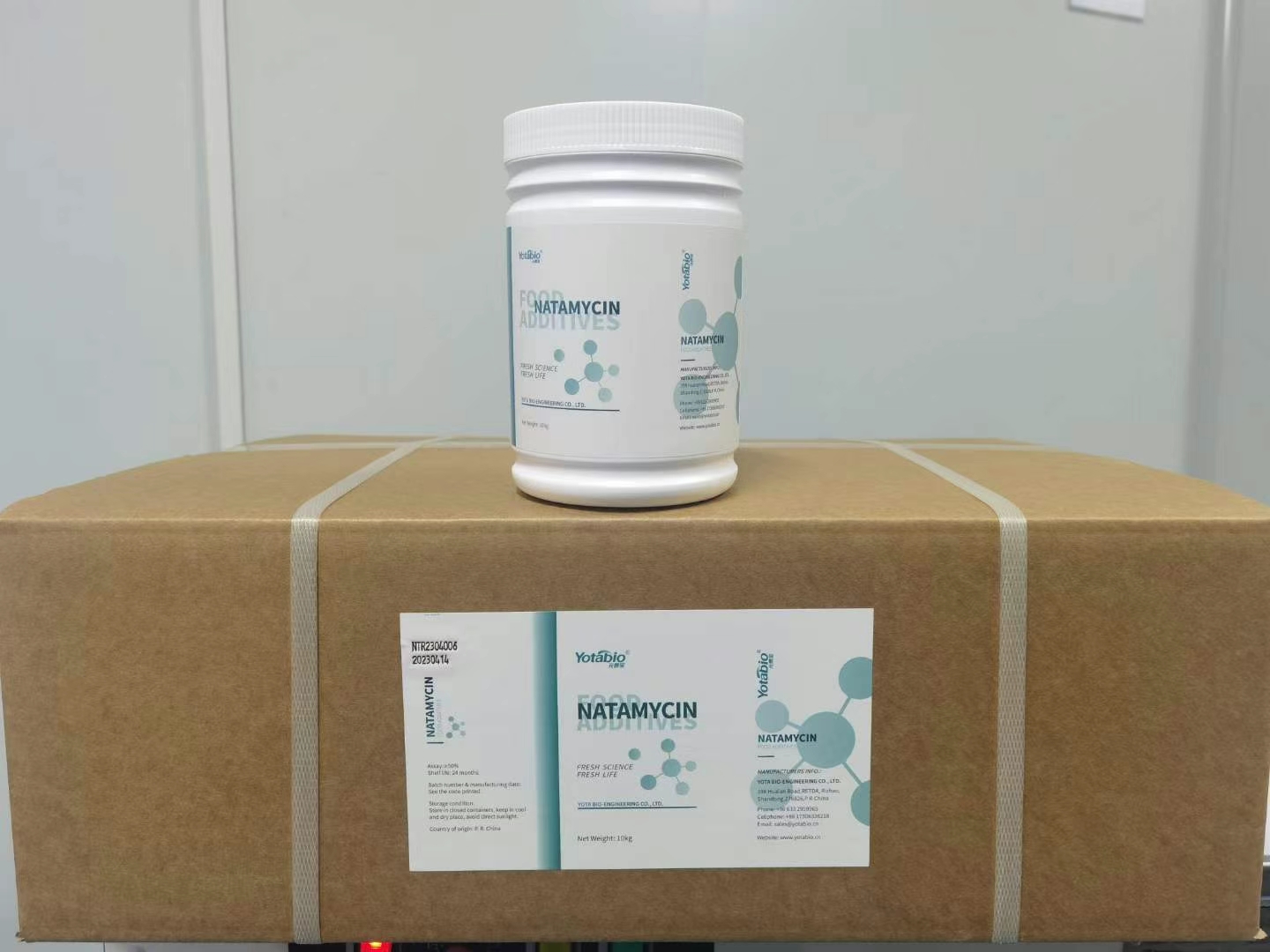
NATAMYCIN — Pimaricin · E-235
Natural Polyene Macrolide Antifungal · Surface Biopreservative
C₃₃H₄₇NO₁₃ · MW 665.73 Da · CAS 7681-93-8 · EC 231-683-5
Polyene Macrolide Antibiotic · Produced by Streptomyces natalensis & S. chattanoogensis
Polyene Macrolide Antibiotic · Produced by Streptomyces natalensis & S. chattanoogensis
Doc: TDS-NAT-001
Rev: 01 · June 2026
Rev: 01 · June 2026
📋 Product Identification
Product Name
NATAMYCIN (Pimaricin)
E Number
E-235
INS Number
INS 235
CAS Number
7681-93-8
EC Number
231-683-5
Chemical Class
Polyene Macrolide Antifungal
Molecular Formula
C₃₃H₄₇NO₁₃
Molecular Weight
665.73 Da
Source Organisms
Streptomyces natalensis, S. chattanoogensis
Production Method
Submerged aerobic fermentation (non-GMO)
Appearance
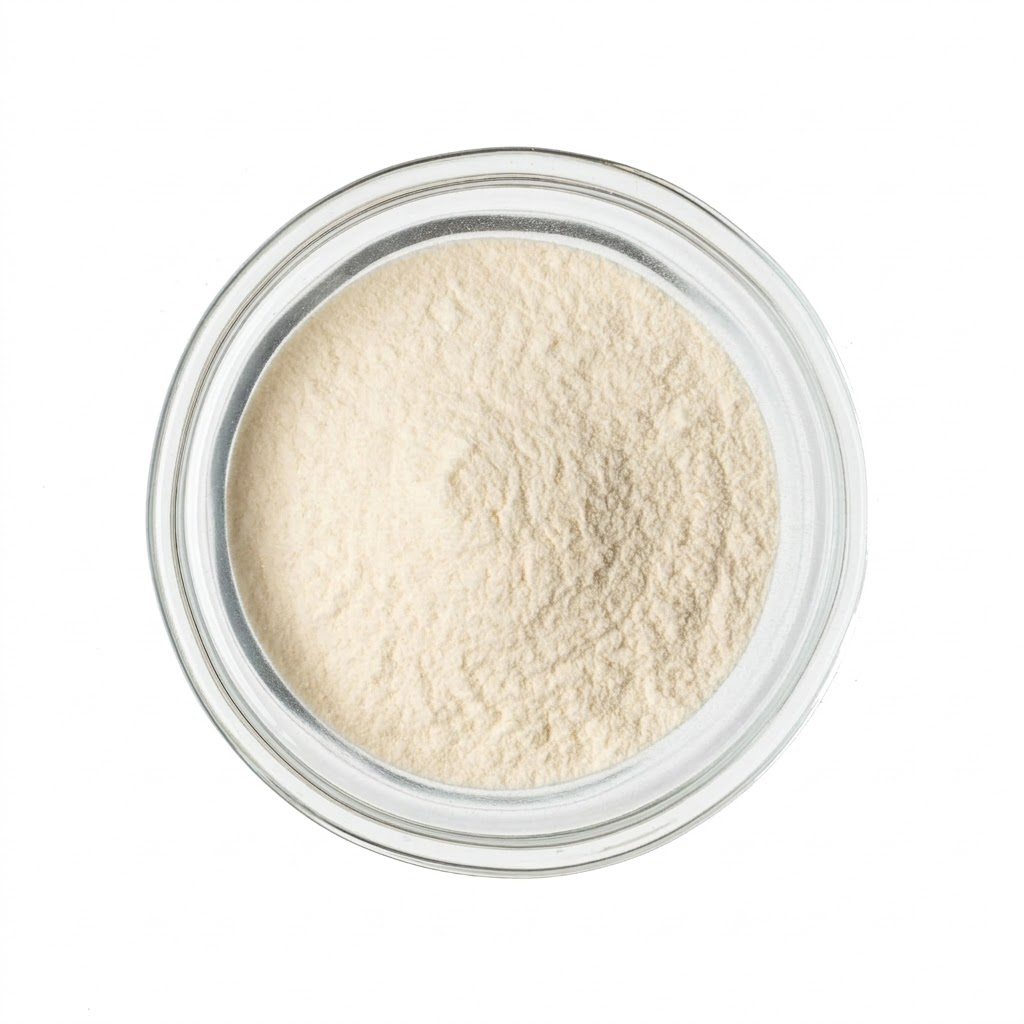
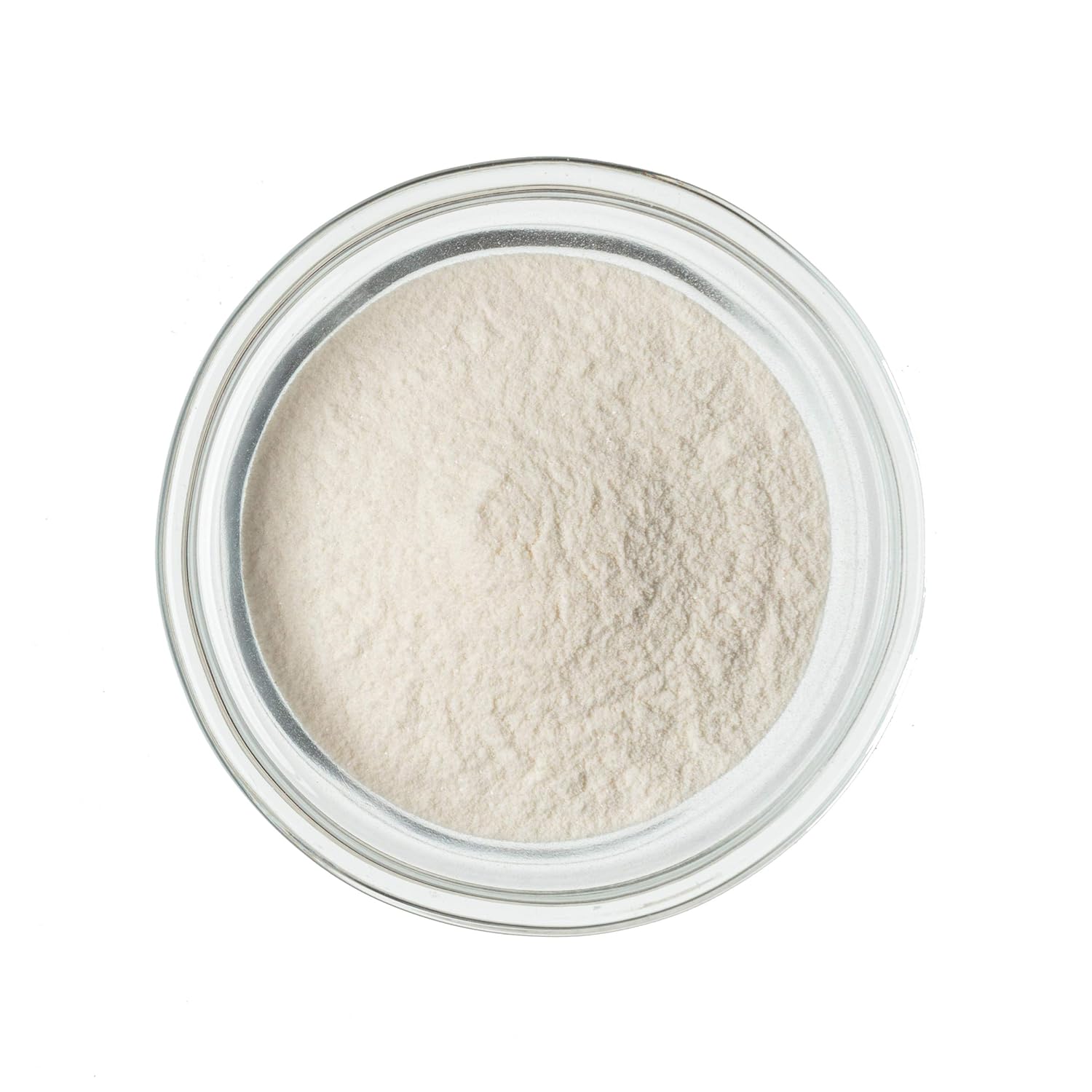
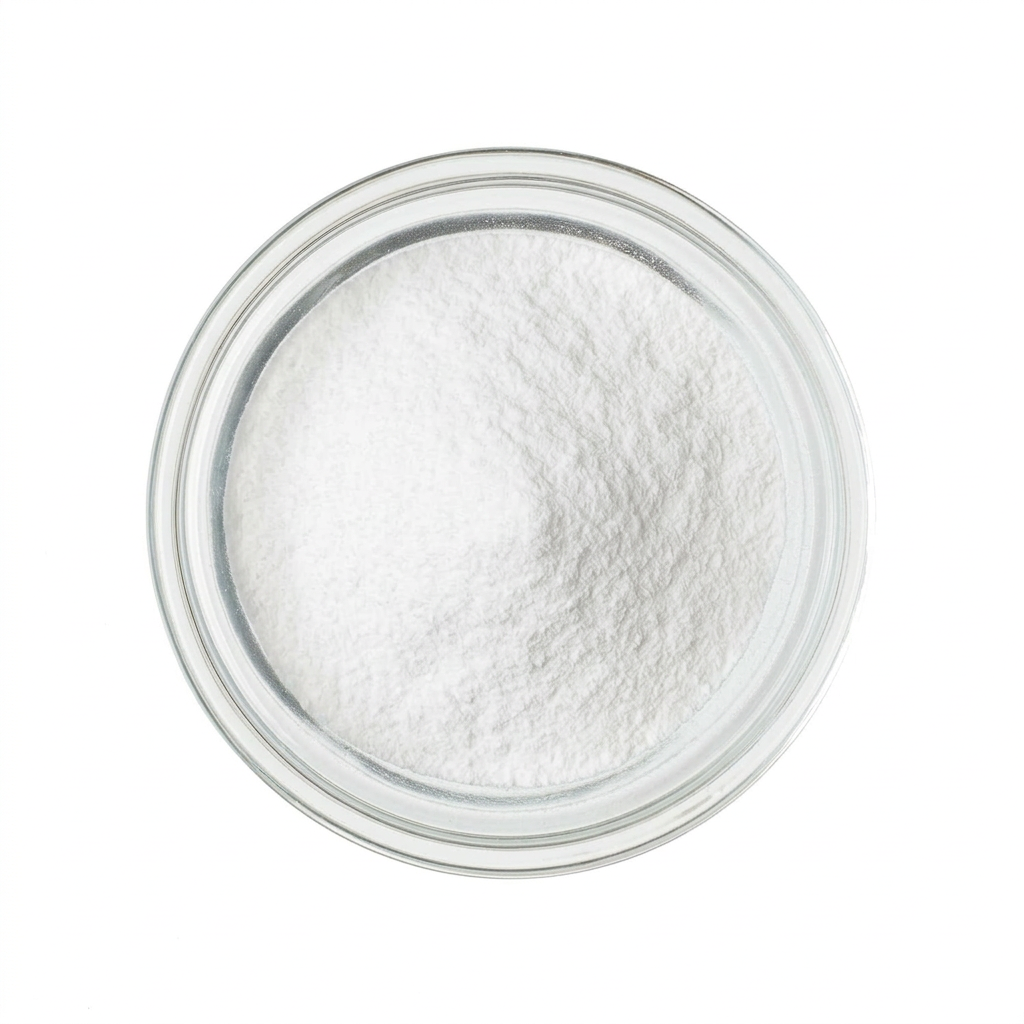
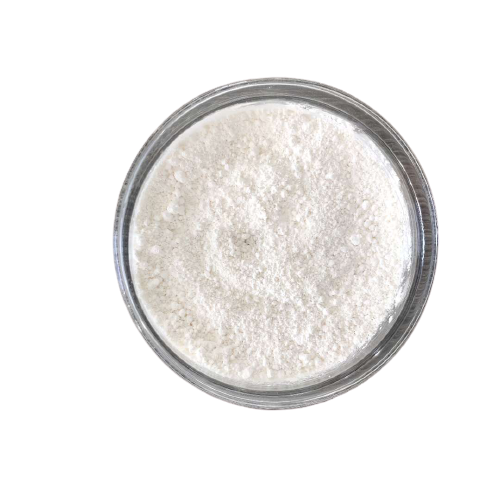
Off-white colour powder
Carrier / Excipient
Lactose (50 %)
Trademark
YOTABIO
Origin
Made in China
Grade
Food Grade · GRAS Status
Discovery
1955, Natal Province, South Africa
🔬 Product Description
Natamycin (also known as pimaricin, E-235) is a naturally occurring polyene macrolide antifungal compound produced by submerged aerobic fermentation of Streptomyces natalensis and related species. It is the only globally recognized antifungal food bio-preservative, capable of highly effective and broad-spectrum suppression of mould and yeast growth even at very low concentrations.
Natamycin acts as a true fungistatic — it stops the development of microscopic fungi rather than destroying them and their spores. Its unique mechanism of action involves binding specifically to ergosterol in the fungal cell membrane, inhibiting membrane transport proteins and blocking cell division — without permeabilizing the membrane. This distinguishes Natamycin from chemically synthesized preservatives such as sorbates and benzoates.
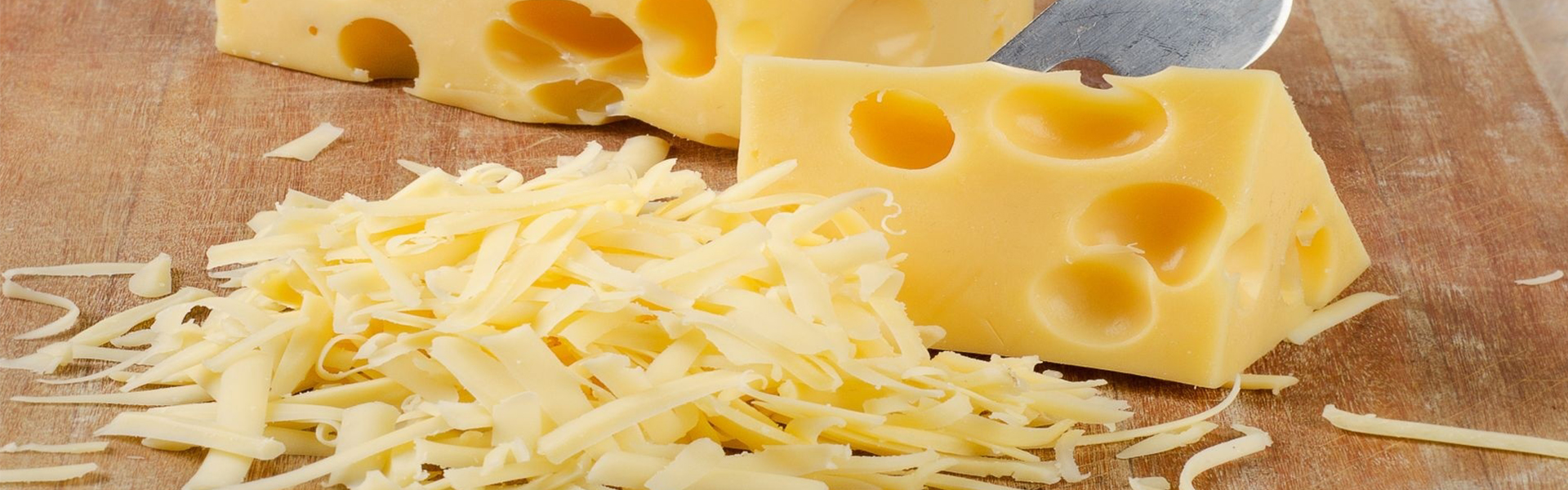
Critically, Natamycin has no activity against bacteria, meaning it does not interfere with beneficial starter cultures in cheese-making, sausage fermentation, or yoghurt production. It is approved for use in over 150 countries worldwide and is recognized by the WHO, EFSA, and the US FDA.
Natamycin acts as a true fungistatic — it stops the development of microscopic fungi rather than destroying them and their spores. Its unique mechanism of action involves binding specifically to ergosterol in the fungal cell membrane, inhibiting membrane transport proteins and blocking cell division — without permeabilizing the membrane. This distinguishes Natamycin from chemically synthesized preservatives such as sorbates and benzoates.
Critically, Natamycin has no activity against bacteria, meaning it does not interfere with beneficial starter cultures in cheese-making, sausage fermentation, or yoghurt production. It is approved for use in over 150 countries worldwide and is recognized by the WHO, EFSA, and the US FDA.
Antifungal Specialist
Effective against all major moulds & yeasts at ultra-low concentrations
Bacteria-Safe
No effect on bacteria — preserves starter cultures & ripening flora
100% Natural
Fermentation-derived from Streptomyces — clean label solution
Non-GMO
EU Reg. (EC) 1829/2003 & 1830/2003 compliant
Surface Action
Low solubility keeps it on the surface where fungi grow
Mycotoxin Prevention
Blocks mould growth & prevents mycotoxin production
⚙️ Mechanism of Action
Natamycin employs a unique antifungal mechanism that distinguishes it from all other polyene antibiotics (nystatin, filipin, amphotericin B). Rather than forming pores and permeabilizing the membrane, Natamycin exerts its effect through ergosterol-specific binding and inhibition of membrane transport.
1
Ergosterol Binding
Natamycin binds specifically to ergosterol, the primary sterol in fungal cell membranes, targeting the double bonds in the sterol's B-ring. Binding occurs at a stoichiometry of approximately 1:1 with an affinity of ~100 μM.
2
Transport Inhibition
The Natamycin–ergosterol complex inhibits essential membrane transport proteins (amino acid and glucose transporters) without compromising the barrier function of the membrane. This starves the cell of nutrients.
3
Growth Arrest
Loss of membrane transport and enzyme function results in inhibition of cell division and arrest of fungal growth. Against spores, Natamycin inhibits germination. The cell dies without membrane lysis — a true fungistatic action.
KEY DISTINCTION vs OTHER POLYENES: Unlike nystatin and filipin, Natamycin does not form ion pores and does not permeabilize the plasma membrane. This novel non-pore-forming mechanism was confirmed by Te Welscher et al. (2008, J. Biol. Chem.) using ITC and direct binding studies.
SELECTIVITY: Bacteria lack ergosterol in their cell membranes, which makes Natamycin completely inactive against all bacterial species. This is why Natamycin does not disturb starter cultures, ripening bacteria, or beneficial microflora in fermented foods.
🍄 Antimicrobial Spectrum
✅ Effective Against (Fungi)
Moulds:
Aspergillus spp. (A. flavus, A. niger, A. parasiticus)
Penicillium spp. (P. roqueforti, P. commune, P. chrysogenum)
Fusarium spp., Cladosporium spp.
Mucor spp., Rhizopus spp., Alternaria spp.
Botrytis cinerea, Trichoderma spp.
MIC: 0.5–6 μg/mL (some species 10–25 μg/mL)
Yeasts:
Candida spp. (C. albicans, C. parapsilosis)
Saccharomyces spp., Zygosaccharomyces spp.
Rhodotorula spp., Debaryomyces spp.
Pichia spp., Kluyveromyces spp.
MIC: 1–5 μg/mL
Aspergillus spp. (A. flavus, A. niger, A. parasiticus)
Penicillium spp. (P. roqueforti, P. commune, P. chrysogenum)
Fusarium spp., Cladosporium spp.
Mucor spp., Rhizopus spp., Alternaria spp.
Botrytis cinerea, Trichoderma spp.
MIC: 0.5–6 μg/mL (some species 10–25 μg/mL)
Yeasts:
Candida spp. (C. albicans, C. parapsilosis)
Saccharomyces spp., Zygosaccharomyces spp.
Rhodotorula spp., Debaryomyces spp.
Pichia spp., Kluyveromyces spp.
MIC: 1–5 μg/mL
❌ Not Effective Against
All bacteria:
Gram-positive and Gram-negative bacteria are unaffected
(bacterial membranes lack ergosterol)
Protozoa & Viruses:
No activity against protozoa or viruses
Beneficial for food:
Does NOT inhibit starter cultures or ripening bacteria
(Lactobacillus, Streptococcus thermophilus, Propionibacterium, etc.)
For antibacterial protection, combine with YOTABIO Nisin (E-234) for complete Gram(+) bacteria + antifungal coverage.
Gram-positive and Gram-negative bacteria are unaffected
(bacterial membranes lack ergosterol)
Protozoa & Viruses:
No activity against protozoa or viruses
Beneficial for food:
Does NOT inhibit starter cultures or ripening bacteria
(Lactobacillus, Streptococcus thermophilus, Propionibacterium, etc.)
For antibacterial protection, combine with YOTABIO Nisin (E-234) for complete Gram(+) bacteria + antifungal coverage.
📊 Product Specifications
🧪 Composition
YOTABIO Natamycin preparation is a standardized blend of the active polyene macrolide on a lactose carrier. This ensures uniform distribution, stable potency, and easy dispersibility for suspension preparation.
EXCIPIENT OPTIONS: Natamycin 50 % preparations are also available with alternative carriers — NaCl (salt) or glucose (dextrose) — depending on the application. Salt-based carriers are preferred for meat products; lactose or glucose for dairy. Contact YOTABIO for specific carrier requirements.
⚖️ Natamycin vs Chemical Preservatives
Natamycin offers significant advantages over traditional chemical antifungal preservatives (sorbates, benzoates) due to its natural origin, surface-retention properties, and selective antifungal action.
📝 Direction for Use
Natamycin can be applied via several methods. The very low water solubility (~40 ppm) is advantageous for surface treatment, as it ensures the active compound remains concentrated where fungal growth occurs — on the food surface.
IMPORTANT NOTES:
• Temperature: Always use cold water (< 15 °C) for suspension preparation. Natamycin degrades above 50 °C — do NOT add to hot processes.
• UV Light: Natamycin is UV-sensitive. Store suspension in a cool, dark place. Heat used bath to 64 °C for 10 min every 2–3 days to control bacteria, then cool.
• Concentration for dipping: 2–3 g/L for vacuum-packed cheese; 4 g/L for naturally-ripened cheese.
• Temperature: Always use cold water (< 15 °C) for suspension preparation. Natamycin degrades above 50 °C — do NOT add to hot processes.
• UV Light: Natamycin is UV-sensitive. Store suspension in a cool, dark place. Heat used bath to 64 °C for 10 min every 2–3 days to control bacteria, then cool.
• Concentration for dipping: 2–3 g/L for vacuum-packed cheese; 4 g/L for naturally-ripened cheese.
⚗️ Dosage Guide by Application
Natamycin is effective at concentrations ranging from 2.5–500 ppm depending on application type and food matrix. The table below provides sector-specific guidance.
🏆 Key Benefits
🏭 Application Matrix
📜 Regulatory & Compliance Status
🇪🇺
European Union
Food Additive E-235
Reg. (EC) 1333/2008
Surface treatment only
Max 1 mg/dm² (5 mm depth)
Reg. (EC) 1333/2008
Surface treatment only
Max 1 mg/dm² (5 mm depth)
🇺🇸
United States FDA
21 CFR § 172.155
GRAS Status
Max 20 ppm on cheese
Antimycotic use
GRAS Status
Max 20 ppm on cheese
Antimycotic use
🌐
FAO / WHO (JECFA)
ADI: 0–0.3 mg/kg bw/day
Confirmed 2024 (99th meeting)
Codex GSFA Listed
Confirmed 2024 (99th meeting)
Codex GSFA Listed
🇨🇳
China (GB Standards)
GB 2760 Approved
Cheese, meat, juices,
sauces, wine
Cheese, meat, juices,
sauces, wine
🇦🇺
Australia / NZ (FSANZ)
Code number 235
Preservative class
Surface treatment
Preservative class
Surface treatment
🌍
Global Approvals
Approved in 150+
countries incl. Canada,
Japan, South Africa, MENA
countries incl. Canada,
Japan, South Africa, MENA
Regulatory status and maximum use levels vary by country. Outside the EU, please confirm compliance with local food regulations before use. In the EU, Natamycin is only authorized for surface treatment of cheese and dried sausages.
🇪🇺 EU Authorised Uses (Reg. EC 1333/2008 + Reg. EU 2015/647)
USA (FDA 21 CFR § 172.155): Natamycin may be applied on cheese as an antimycotic in amounts not to exceed 20 mg/kg (20 ppm) in the finished product. May be applied as dry mix, dip, or spray using an aqueous solution of 200–300 ppm. GRAS for additional uses in ready-to-drink tea beverages, fruit-flavoured beverages, energy & sport drinks.
🧬 GMO Declaration
NON-GMO DECLARATION: In accordance with EU Regulation (EC) No 1829/2003 and Regulation (EC) No 1830/2003, the product supplied — NATAMYCIN + LACTOSE — is neither a GMO nor does it contain GMOs. The ingredients themselves do not contain genetically modified organisms, are not derived from GMO raw materials, and no GMOs have been used in the production process. No production process in the manufacturing plant is in contact with GMOs. There is no risk of cross-contamination.
🛡️ Safety & Toxicology
Natamycin has been evaluated extensively by JECFA (1968, 1976, 2002, 2024), EFSA (2009), and the FDA. It is very poorly absorbed orally, which adds a significant safety buffer. The ADI was re-affirmed in June 2024 at the 99th JECFA meeting in Geneva.
JECFA 2024 CONCLUSION: "There is no concern for the induction of antimicrobial resistance and the risk of natamycin having a disrupting effect on the microbiome of the human gastrointestinal tract is low." The ADI of 0–0.3 mg/kg bw was re-affirmed with new NOAEL data supporting this limit.
🔗 Synergistic Combinations
Since Natamycin targets only fungi and Nisin targets only Gram-positive bacteria, the combination provides comprehensive antimicrobial coverage for food preservation:
📦 Storage, Handling & Packaging
Temperature
< 20 °C
Conditions
Dry · Sealed · No Sunlight
Shelf Life
24 Months
UV Sensitivity
High — Protect from Light
Packaging Options:
📄 Available Documents
Ready to Eliminate Mould & Yeast from Your Products?
Contact YOTABIO for samples, COA documents, dosage optimisation, or Natamycin in alternative carriers (NaCl, glucose).