
PRODUCTS
Popular products
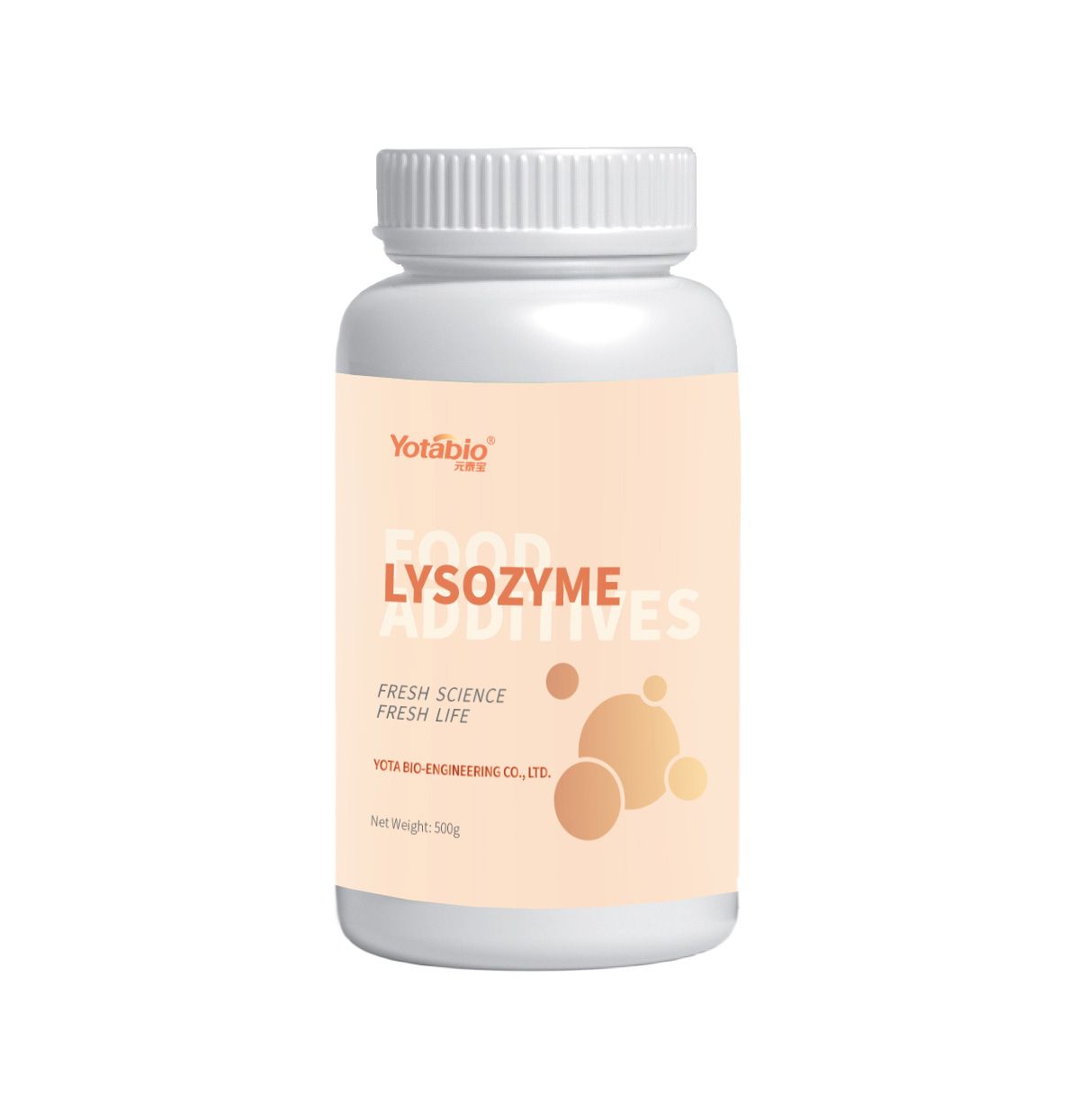

YOTABIO® Lysozyme
Natural Bio-Preservative for Dairy, Wine, and Food Processing
1. PRODUCT DESCRIPTION & MECHANISM
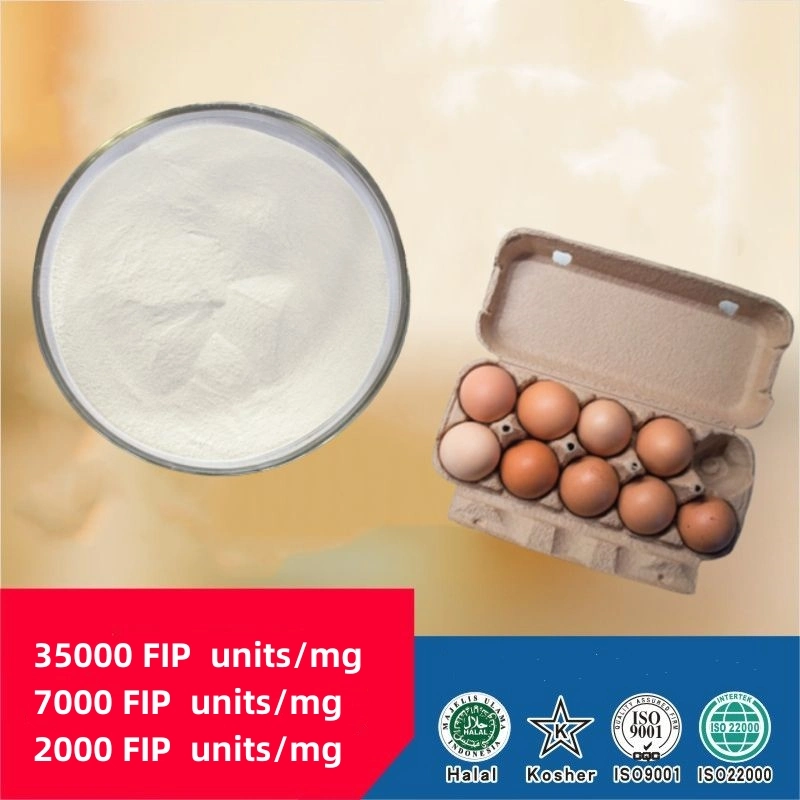
Lysozyme (N-acetylmuramide glycanhydrolase) is a highly effective, naturally occurring antimicrobial enzyme extracted and purified from chicken egg whites. It functions as a biological preservative by specifically targeting and destroying the cell walls of Gram-positive bacteria.
Mechanism of Action: Lysozyme hydrolyzes the (beta)-(1,4) glycosidic bonds between N-acetylmuramic acid and N-acetylglucosamine in the peptidoglycan layer of bacterial cell walls. This causes the cell wall to rupture (lysis), effectively killing the bacteria. Because yeast, molds, and Gram-negative bacteria lack this exposed peptidoglycan structure, Lysozyme is highly targeted and does not interfere with beneficial yeast fermentations.
2. KEY BENEFITS & PROPERTIES
Highly Selective Antimicrobial: Effectively inhibits Gram-positive spoilage bacteria (e.g., Clostridium, Lactobacillus, Oenococcus, Pediococcus) without affecting beneficial yeasts, molds, or mesophilic/thermophilic dairy starter cultures.
- Clean Label Alternative: Replaces or reduces the need for chemical preservatives like nitrates in cheese and sulfur dioxide (SO(_2)) in winemaking.
- Maintains Organoleptic Quality: Does not alter the taste, flavor, aroma, or nutritional profile of the finished food or beverage.
- Thermal Stability: Can withstand heat treatments up to 80°C for a few minutes without loss of activity (optimal at pH 5.0 - 5.5).
- Extends Shelf Life: Reduces food waste by preventing bacterial contamination and late-stage spoilage in perishable goods.
- Safe & Well-Studied: Long history of safe use. Generally Recognized As Safe (GRAS) and approved as food additive E1105.
- High Solubility: Readily dissolves in water and biological liquids, ensuring even distribution in milk vats and wine tanks.
3. DETAILED SPECIFICATIONS & STORAGE
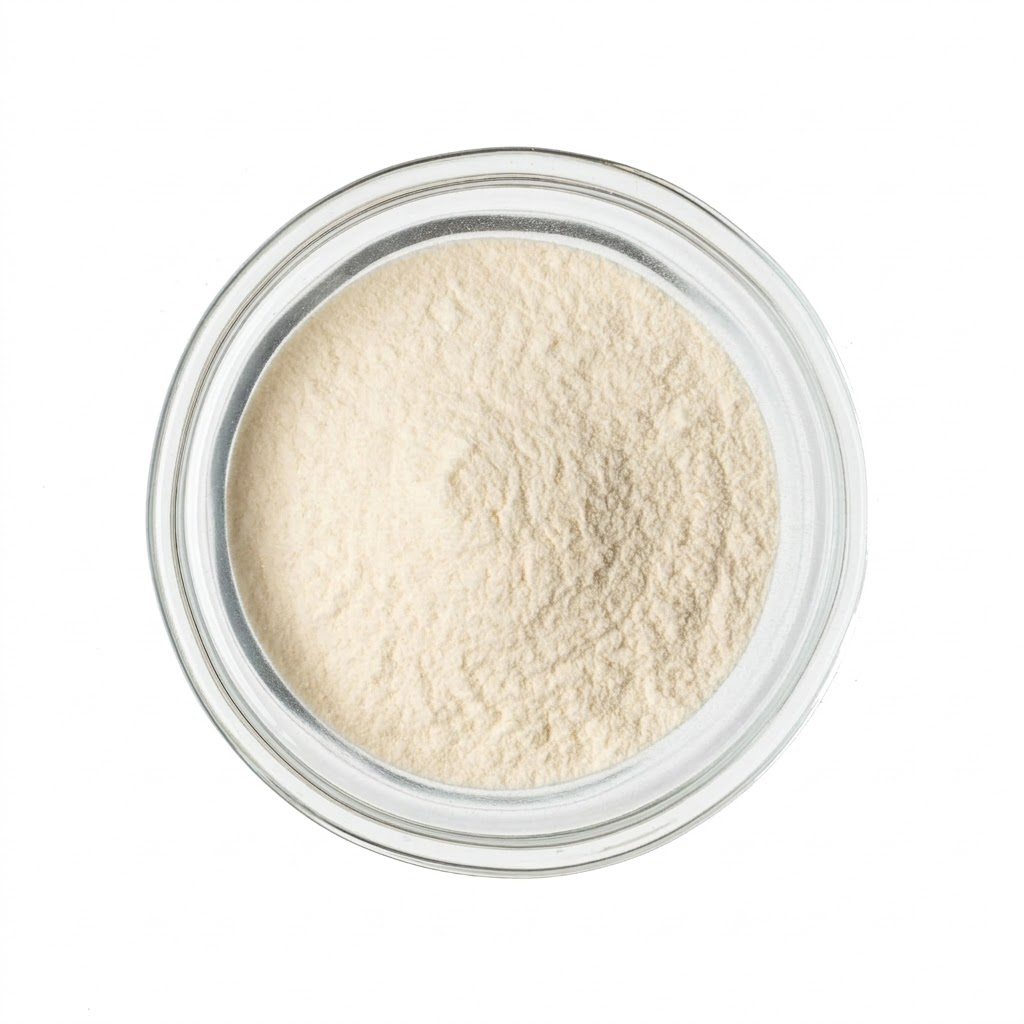
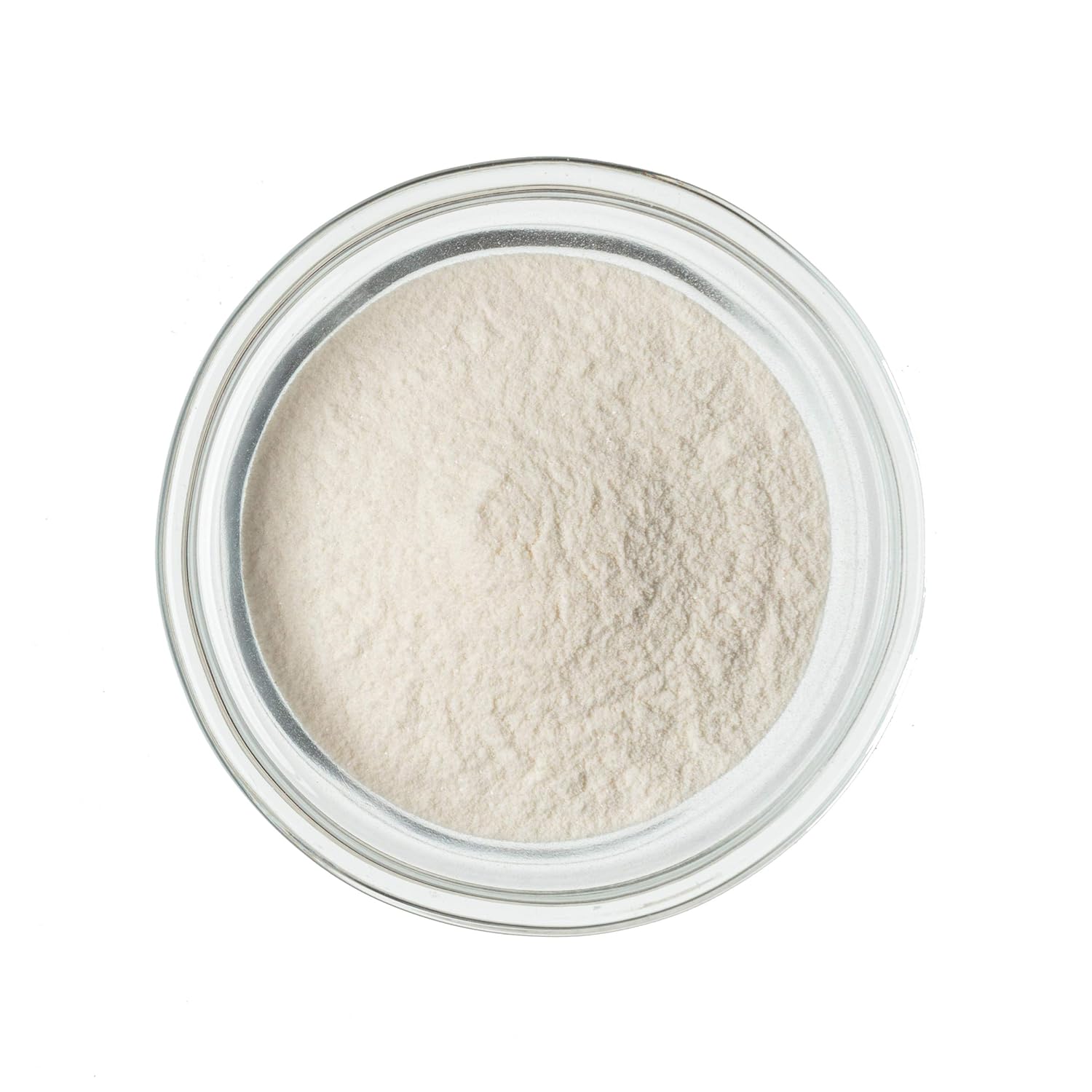
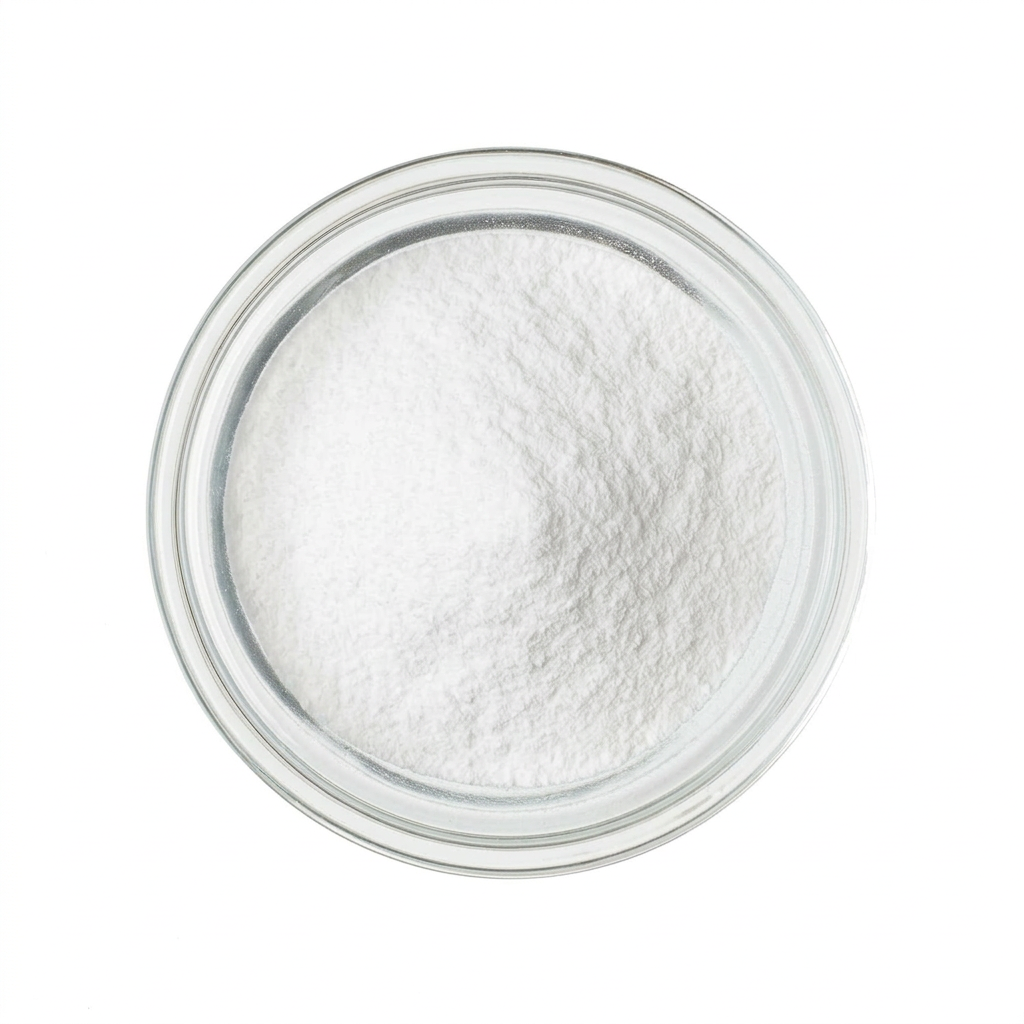
YOTABIO® Lysozyme is available in multiple standardized enzyme activities to suit different industrial requirements, including 7,000 FIP U/mg, 35,000 FIP U/mg, and high-purity >42,000 FIP U/mg powder/granulate formats.
Allergen & GMO Status
Allergen Warning: Contains Egg (derived from chicken egg whites). Must be labeled in accordance with local allergen regulations.
GMO Status: 100% Non-GMO. Compliant with Reg. CE n. 834/2007 and 1829/2003 regarding the prohibition of GMOs.
Packaging & Shelf Life
- Packaging: 500g / 1 kg bottles; 5 kg, 10 kg, or 25 kg cartons/drums with tamper-proof seals.
- Storage: Store unopened below 20°C - 25°C in dry conditions, away from direct sunlight and odorous products.
- Shelf Life: 24 months (2 years) from the date of production under recommended storage conditions.
4. DAIRY & CHEESE APPLICATIONS
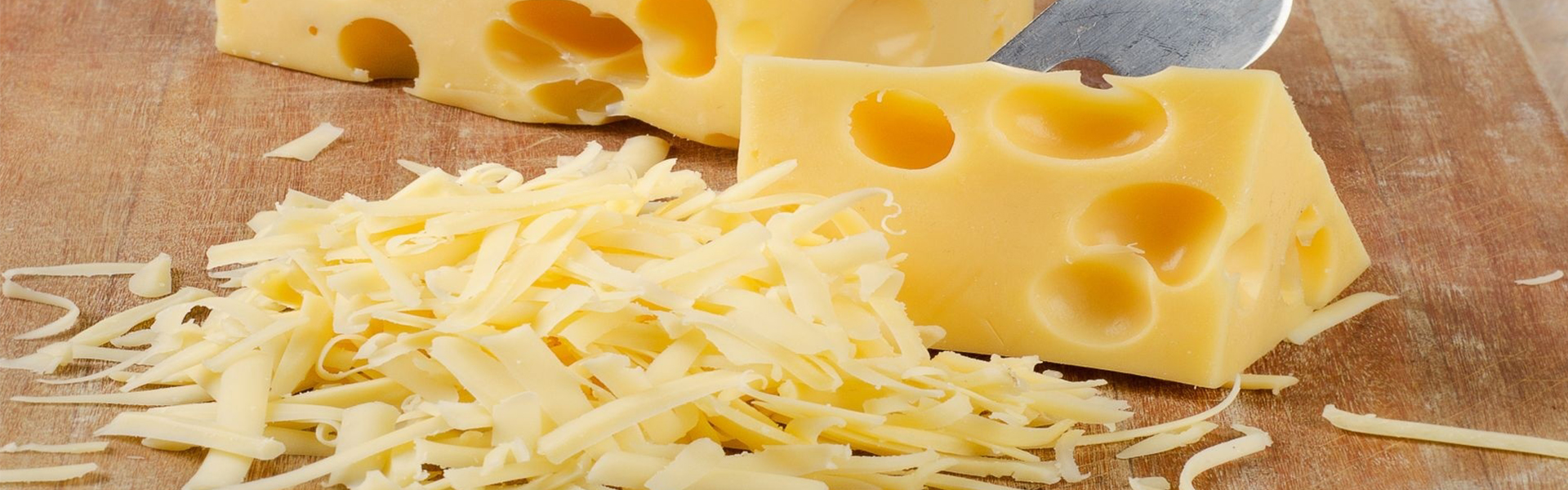
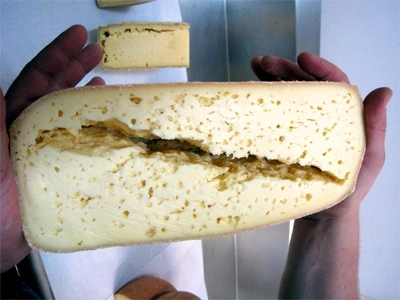
In the dairy industry, Lysozyme is primarily used to prevent "late blowing" in hard and semi-hard cheeses (e.g., Gouda, Edam, Provolone, Emmental). Late blowing is a severe defect caused by the proliferation of Clostridium tyrobutyricum spores that survive milk pasteurization. When these spores germinate during maturation, they produce butyric acid and large quantities of gas, resulting in cracks, irregular eyes, and unacceptable taste/smell.
Benefits in Cheese
- Destroys vegetative Clostridium spp. bacteria.
- Replaces the need for chemical nitrates.
- Does not interfere with the development of mesophilic or thermophilic starter cultures.
Dosage & Application
- Standard Dosage: 2.5 - 3.0 g per 100 Liters of milk (approx. 25 - 30 ppm).
- If milk is standardized for high protein/high yield, dosage must be increased proportionally (e.g., up to 0.04 g/kg).
- Timing: Add to the milk after pasteurization, but before adding the starter culture and rennet.
5. WINE & BEER APPLICATIONS (OENOLOGY)
In winemaking, Lysozyme is a powerful tool to control or inhibit Lactic Acid Bacteria (LAB) such as Oenococcus oeni, Pediococcus spp., and Lactobacillus spp. It allows winemakers to manage Malolactic Fermentation (MLF) without the negative oxidative or bleaching effects of high SO(_2) additions.
6. PREPARATION & DIRECTIONS FOR USE
General Preparation
- Rehydrate the Lysozyme powder in 5 to 10 times its weight of cold boiled water, distilled water, or warm water (approx. 20°C - 40°C).
- Stir gently for 1-2 minutes to ensure complete dissolution. Avoid vigorous mixing to prevent excessive foaming.
- Allow the solution to rest for 45 minutes (for wine applications) or 2 minutes (for dairy applications) until it is a clear, colorless liquid.
Usage Notes
- Once rehydrated, the Lysozyme solution should be used immediately (or within 24 hours) to prevent loss of enzymatic activity.
- When using in wine, wait at least one week after treatment before culturing for microbes to ensure accurate lab results.
- Do not use simultaneously with bentonite or other clarifying agents, as they will bind to the enzyme and deactivate it. Allow a lapse of several days between treatments.