
PRODUCTS
Popular products
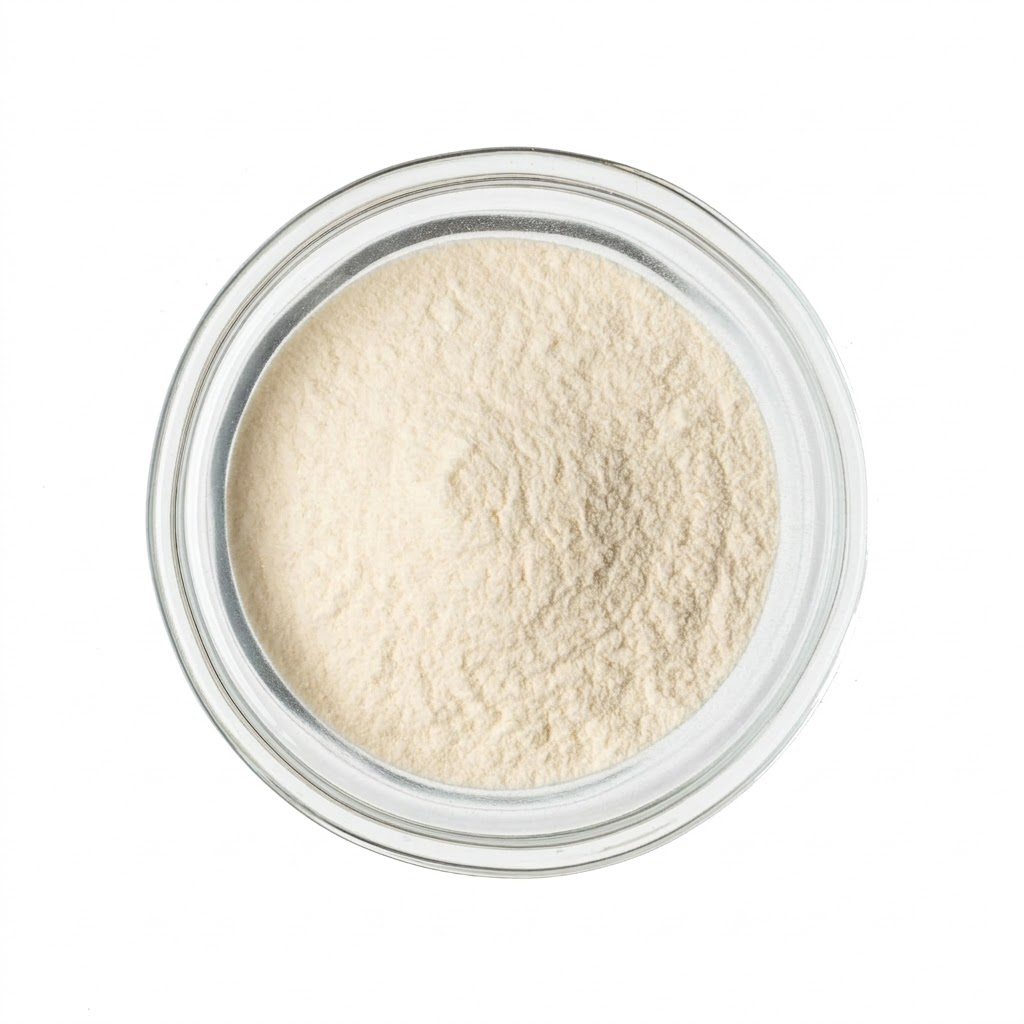
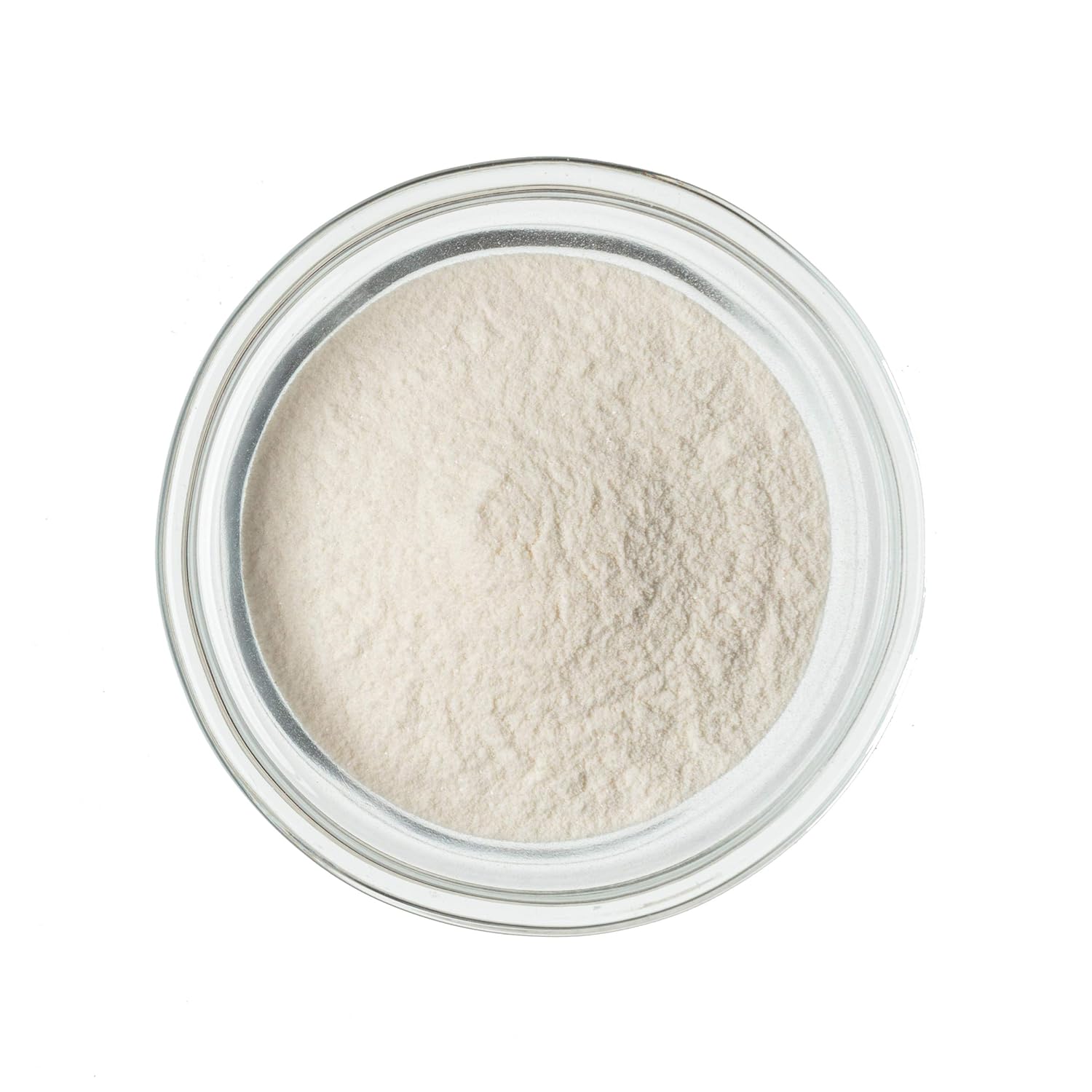
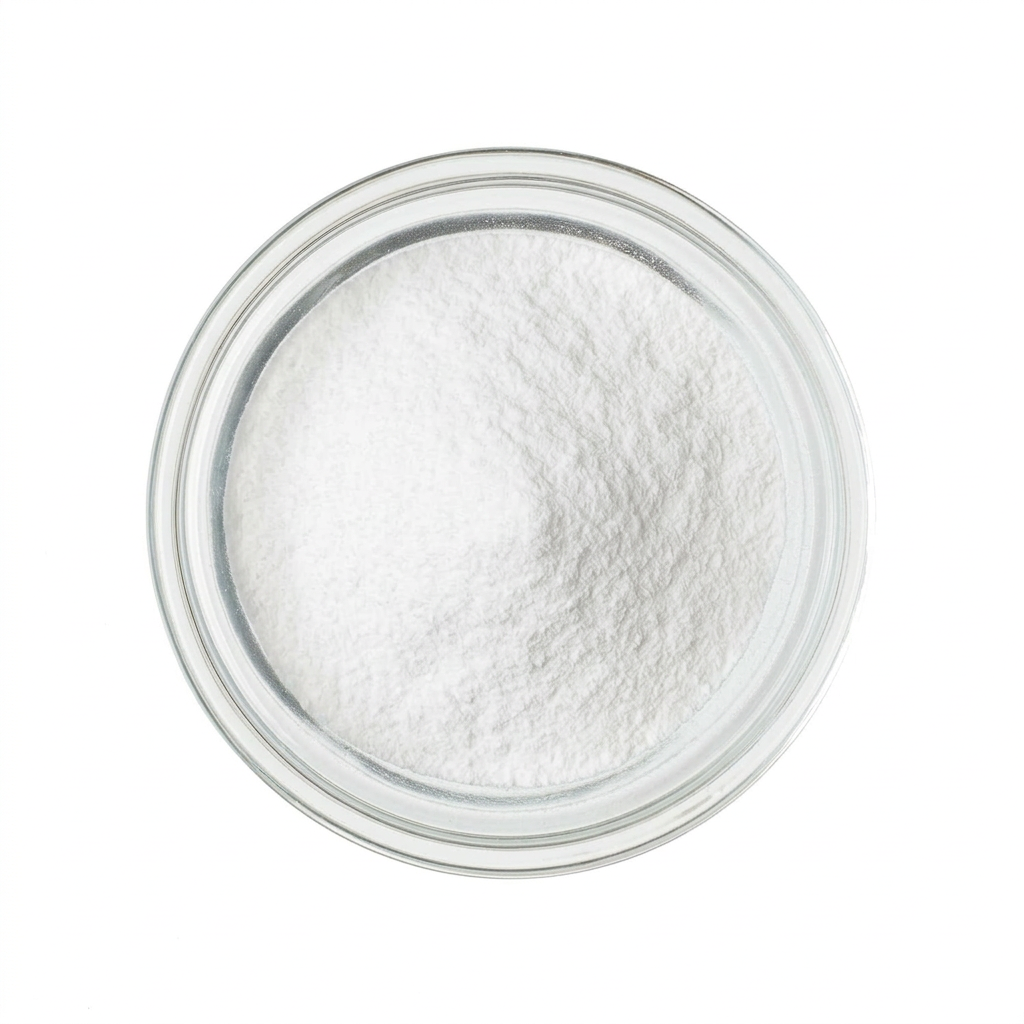
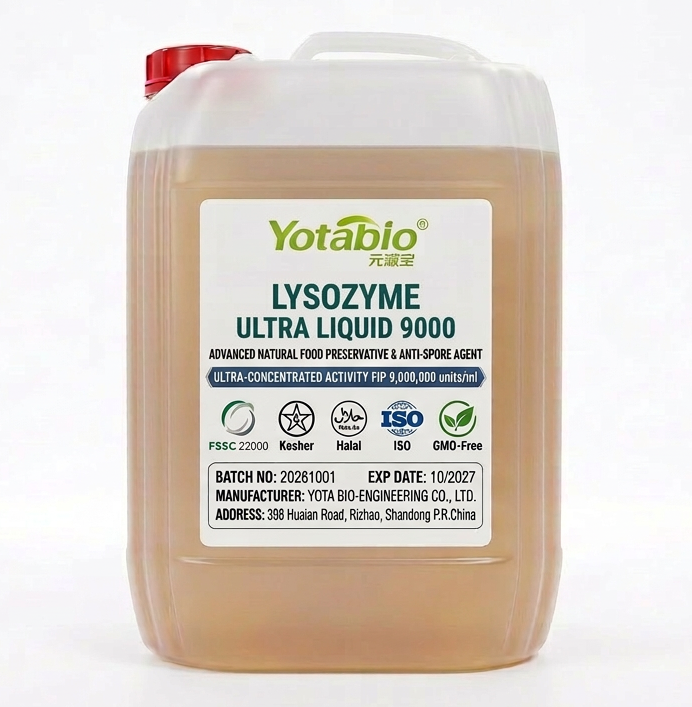
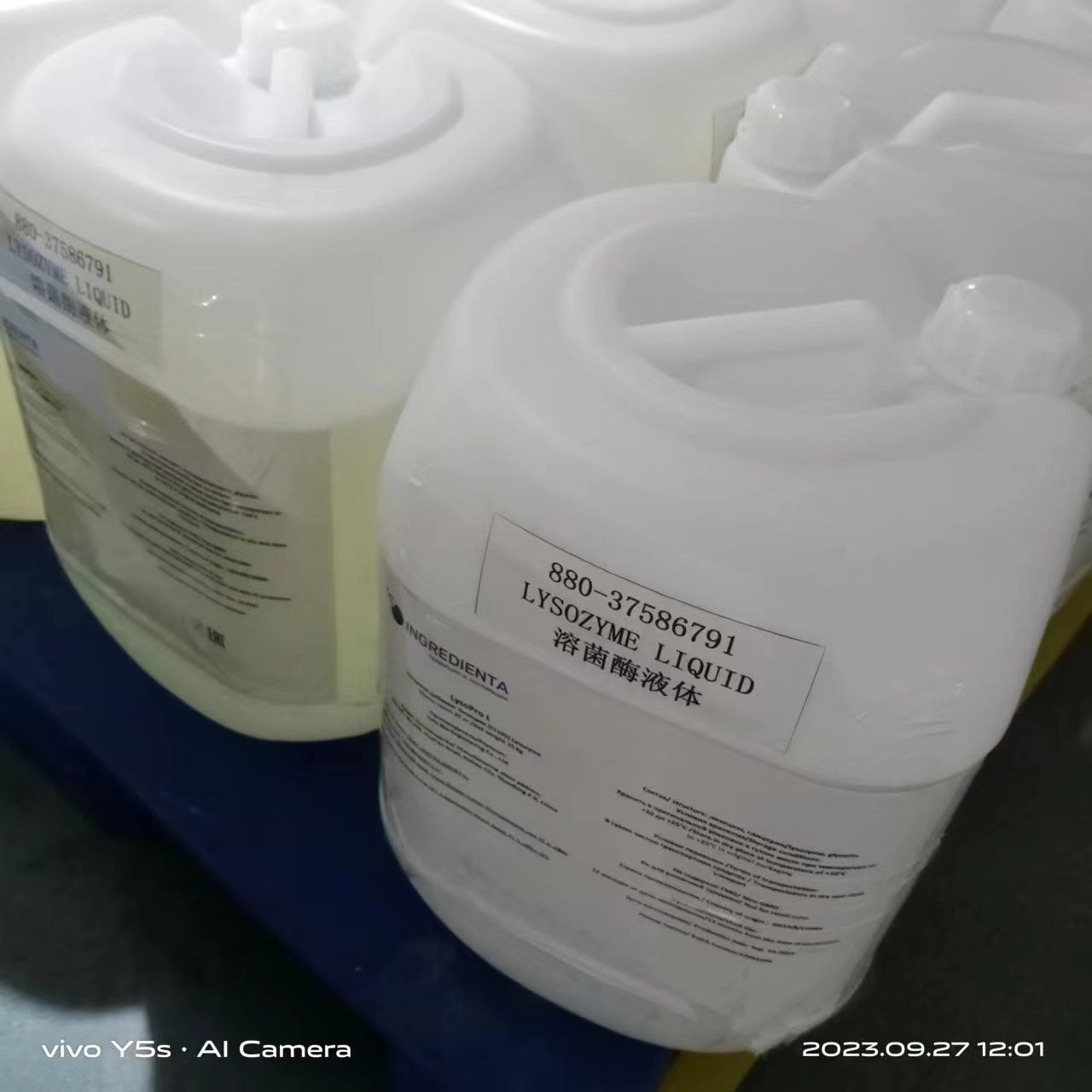
YOTABIO® Liquid Lysozyme
Ready-to-Use Natural Bio-Preservative for Dairy & Oenology
1. PRODUCT DESCRIPTION & ADVANTAGES
Liquid Lysozyme (N-acetylmuramide glycanhydrolase) is a highly purified, naturally occurring antimicrobial enzyme preparation extracted from chicken egg whites. It functions as a biological preservative by specifically targeting and destroying the cell walls of Gram-positive bacteria.
Why Choose Liquid Lysozyme?
- Ready to Use: Eliminates the 45-minute rehydration and resting time required for powder formats.
- Dust-Free & Safe: Prevents the inhalation of fine enzyme dust by production staff, significantly reducing the risk of respiratory sensitization.
- Instant Dispersion: Homogenizes immediately when added to milk vats or wine tanks, ensuring uniform protection.
- Highly Selective: Effectively inhibits spoilage bacteria (e.g., Clostridium, Lactobacillus) without affecting beneficial yeasts, molds, or dairy starter cultures.
2. ENZYME ACTIVITY VARIANTS & DOSAGE GUIDELINES
YOTABIO® offers Liquid Lysozyme in multiple standardized enzyme activities to suit different industrial processing volumes and cost requirements. The dosage varies depending on the specific activity level chosen.
Note: The exact milk dosage level may vary depending on the initial bacterial load (spore count) present in the raw milk.
3. INDUSTRIAL APPLICATIONS
Dairy & Cheese Production
In the dairy industry, Liquid Lysozyme is primarily used to prevent "late blowing" in hard and semi-hard cheeses (e.g., Gouda, Edam, Provolone). This defect is caused by Clostridium tyrobutyricum spores that survive pasteurization. During curing, these spores ferment lactate into butyric acid and gas, causing the cheese to crack or "blow."
- Replaces chemical nitrates.
- Does not inhibit mesophilic or thermophilic dairy cultures.
- Maintains the organoleptic profile of the cheese.
Winemaking (Oenology)
In winemaking, Liquid Lysozyme controls Lactic Acid Bacteria (LAB) such as Oenococcus oeni, Pediococcus spp., and Lactobacillus spp.
- Delays or prevents MLF: Protects wine during maceration or aging without the negative bleaching effects of high SO(_2).
- Protects stuck fermentations: Reduces the risk of Volatile Acidity (VA) production by LAB while yeast finishes the alcoholic fermentation.
- Microbial Stabilization: Stabilizes wines microbiologically at the end of MLF, allowing for reduced SO(_2) additions.
4. TECHNICAL SPECIFICATIONS & STORAGE
Allergen & GMO Status
Allergen Warning: Contains Egg (derived from chicken egg whites). Must be labeled in accordance with local allergen regulations.
GMO Status: 100% Non-GMO. Compliant with Reg. CE n. 834/2007 and 1829/2003 regarding the prohibition of GMOs.
Packaging & Shelf Life
- Packaging: Available in 1L bottles, 5L, 10L, and 25L PE containers/jerrycans.
- Storage: Store protected from light at room temperature (15-25°C). Prevent freezing and refrigeration to avoid precipitation or loss of activity.
- Shelf Life: 18 months from the date of production under recommended storage conditions.
5. DIRECTIONS FOR USE
- Direct Addition: Liquid Lysozyme can be added directly to the cheese vat or wine tank.
- Dilution Method: For optimal dispersion in very large vats, the product can be pre-diluted in cold water at a ratio of approximately 1:10 before adding to the food preparation.
- Cheese Processing: Ensure the lysozyme is thoroughly mixed into the milk before adding the starter culture and rennet.
- Wine Processing: Do not use simultaneously with bentonite or other clarifying agents, as they will bind to the enzyme and deactivate it. Allow a lapse of several days between treatments.