
PRODUCTS
Popular products
Contact me:
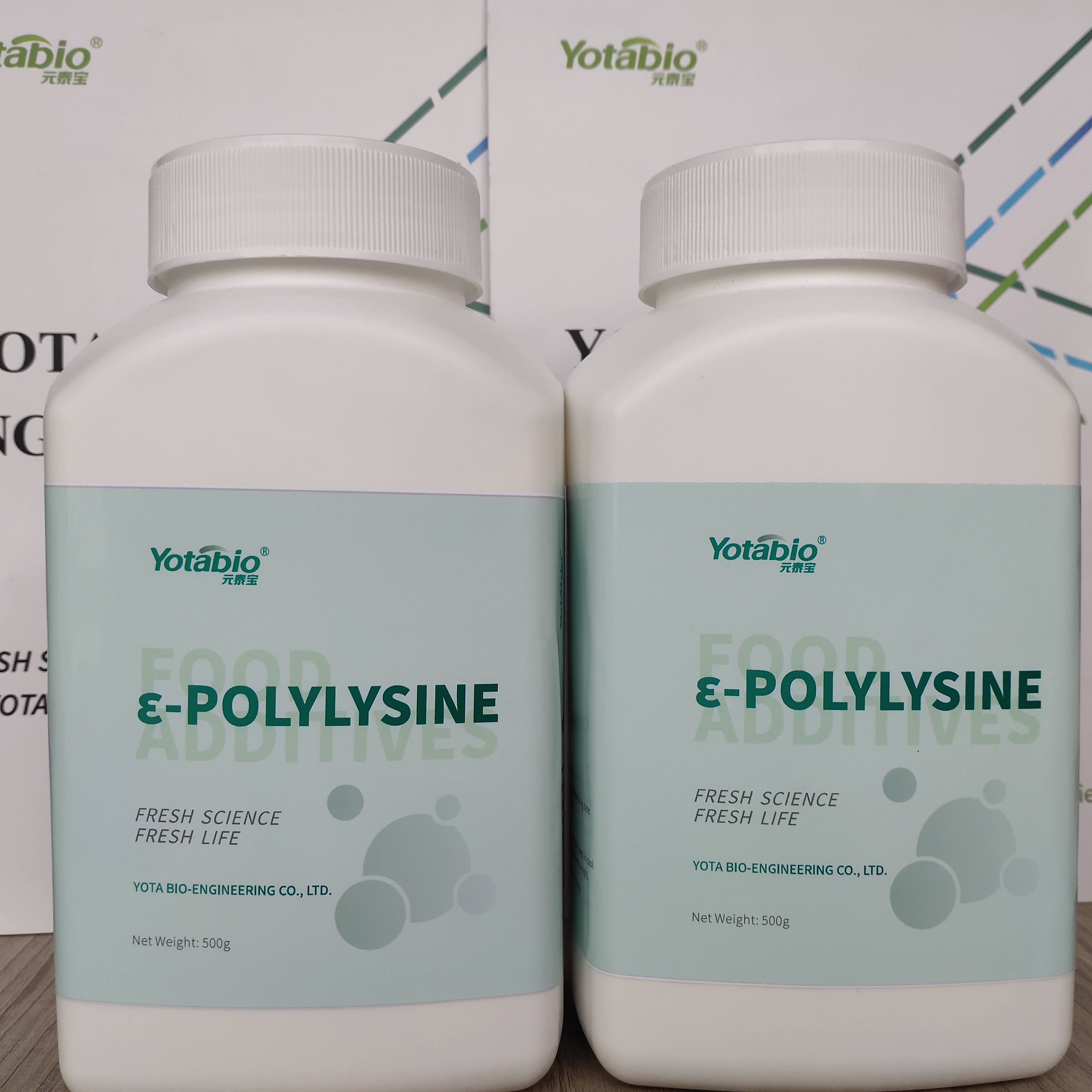
YOTABIO® ε-Polylysine (EPL)
Broad-Spectrum Natural Bio-Preservative for Food, Cosmetics & Bioplastics
1. PRODUCT DESCRIPTION
ε-Polylysine (ε-poly-L-lysine or EPL) is a naturally occurring, cationic homopolymer consisting of 25-35 L-lysine residues linked by epsilon (ε) and carboxyl groups. It is produced through an aerobic fermentation process using the microorganism Streptomyces albulus.
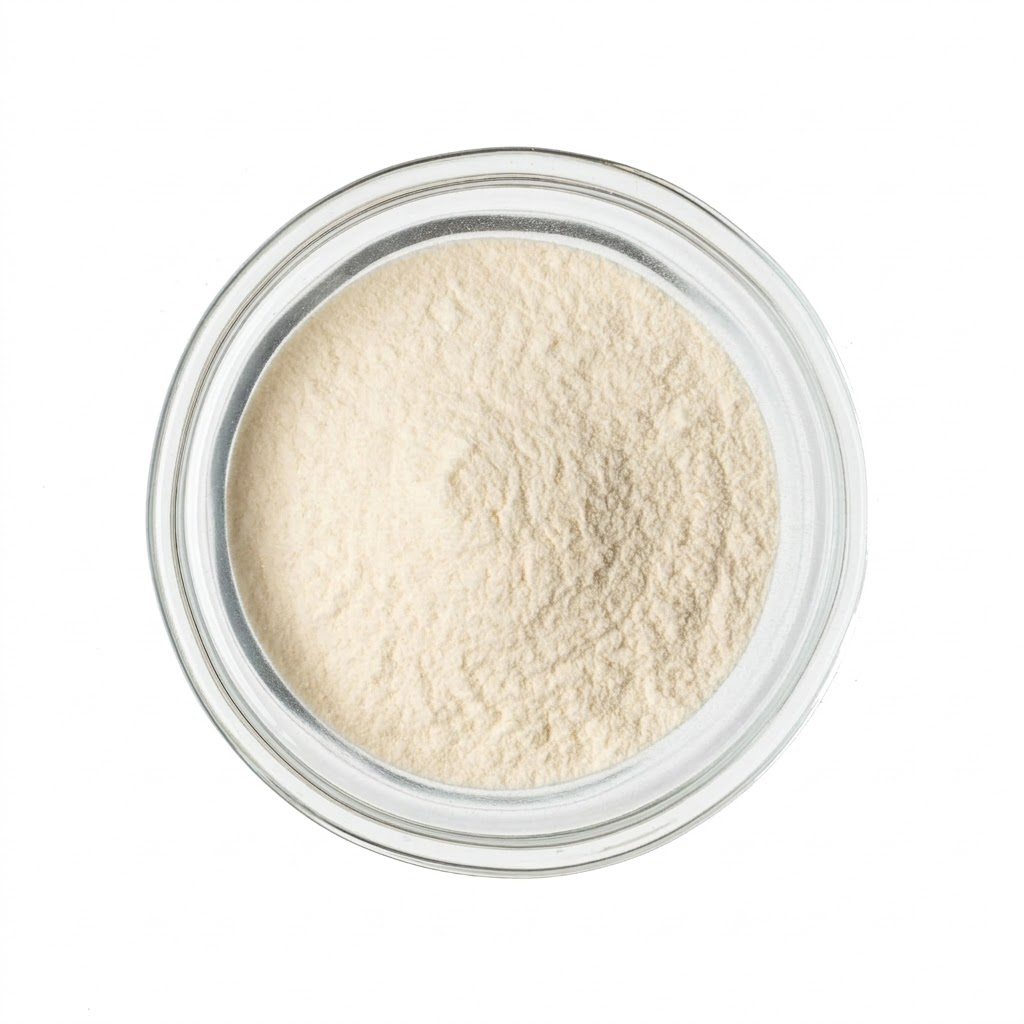
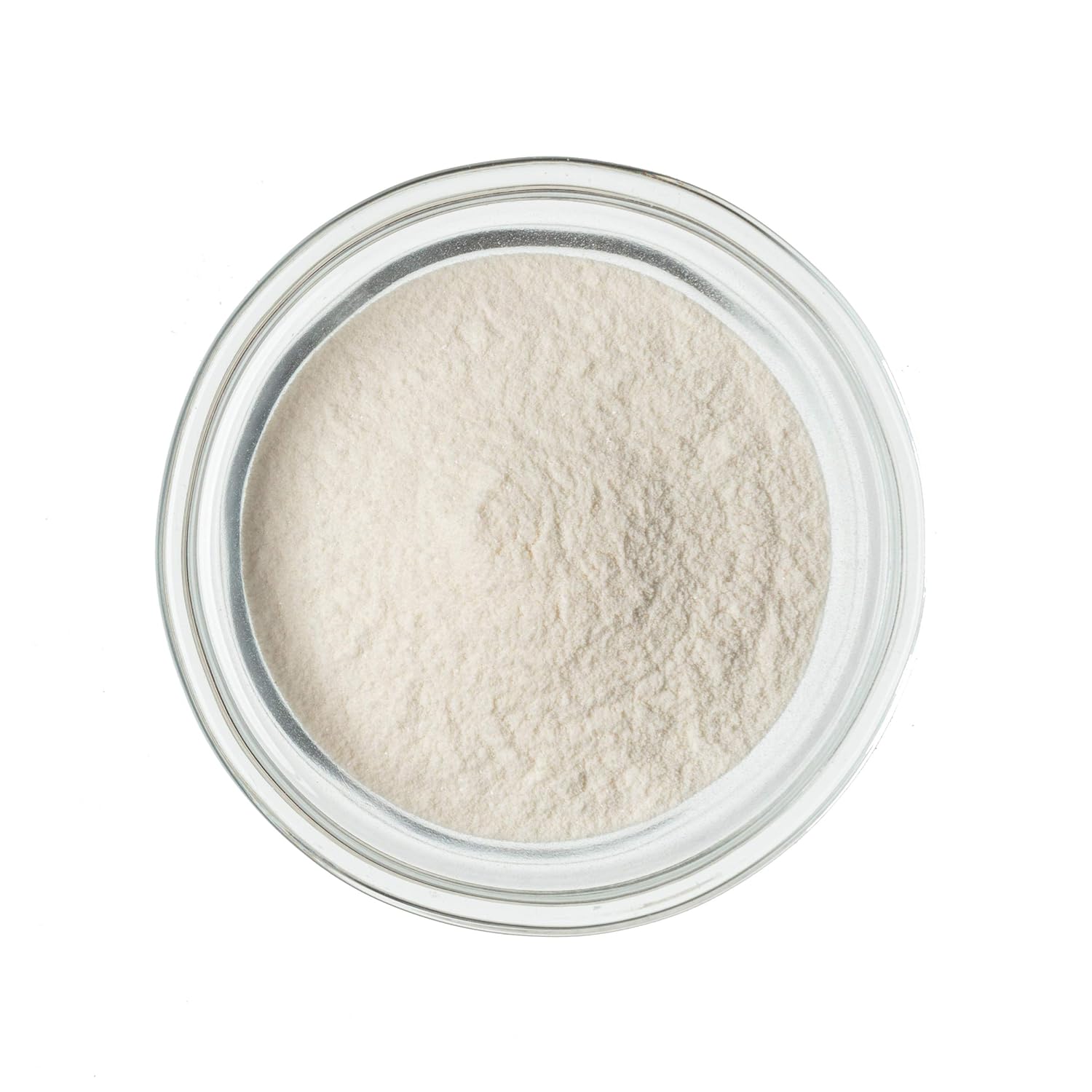
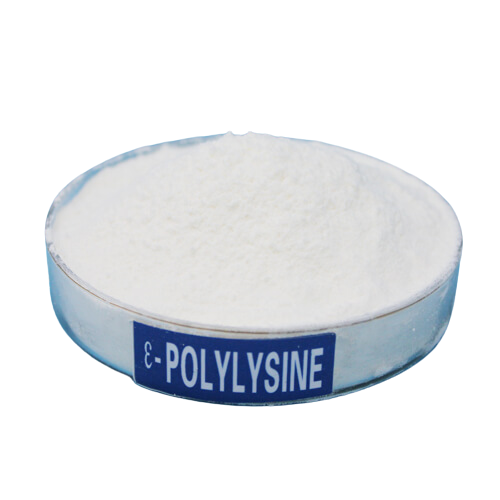
Appearing as a pale yellow to white, hygroscopic powder, ε-Polylysine is a highly effective, water-soluble antimicrobial agent. Because it is a cationic polymer, it adsorbs electrostatically to the cell surface of bacteria, stripping the outer membrane and causing abnormal distribution of the cytoplasm, ultimately leading to bacterial cell death. It is widely used across the Food & Beverage, Personal Care/Cosmetics, and Bioplastics industries.
2. KEY BENEFITS & PROPERTIES
Exceptional Safety Profile: ε-Polylysine is completely digested and absorbed by the human body, breaking down into L-lysine (an essential amino acid). Its acute toxicity (LD50) is >5 g/kg, equivalent to table salt.
- Broad Antimicrobial Spectrum: Highly effective against Gram-positive bacteria, Gram-negative bacteria (including E. coli and Salmonella), yeasts, and molds.
- Extreme Thermal Stability: Maintains bacteriostatic ability even after heating at 80°C for 60 minutes or 120°C for 20 minutes. Ideal for high-temperature processing.
- Wide pH Range (2.0 - 12.0): Unlike many natural preservatives, its activity is largely unaffected by pH, functioning effectively in highly acidic to alkaline environments.
- High Water Solubility: Readily dissolves in water, making it seamless to integrate into liquid marinades, beverages, serums, and lotions.
- Clean Label & Pure Taste: Contains no antibiotics. It leaves a clean taste in foods, free from the off-flavors associated with chemical preservatives.
- Synergistic Effects: Can be blended with other natural additives (Caprylyl Glycol, 1,2-Hexanediol, Nisin, Natamycin, Vinegar) to exponentially improve bactericidal action.
3. DETAILED SPECIFICATIONS & STORAGE
Packaging & Shelf Life
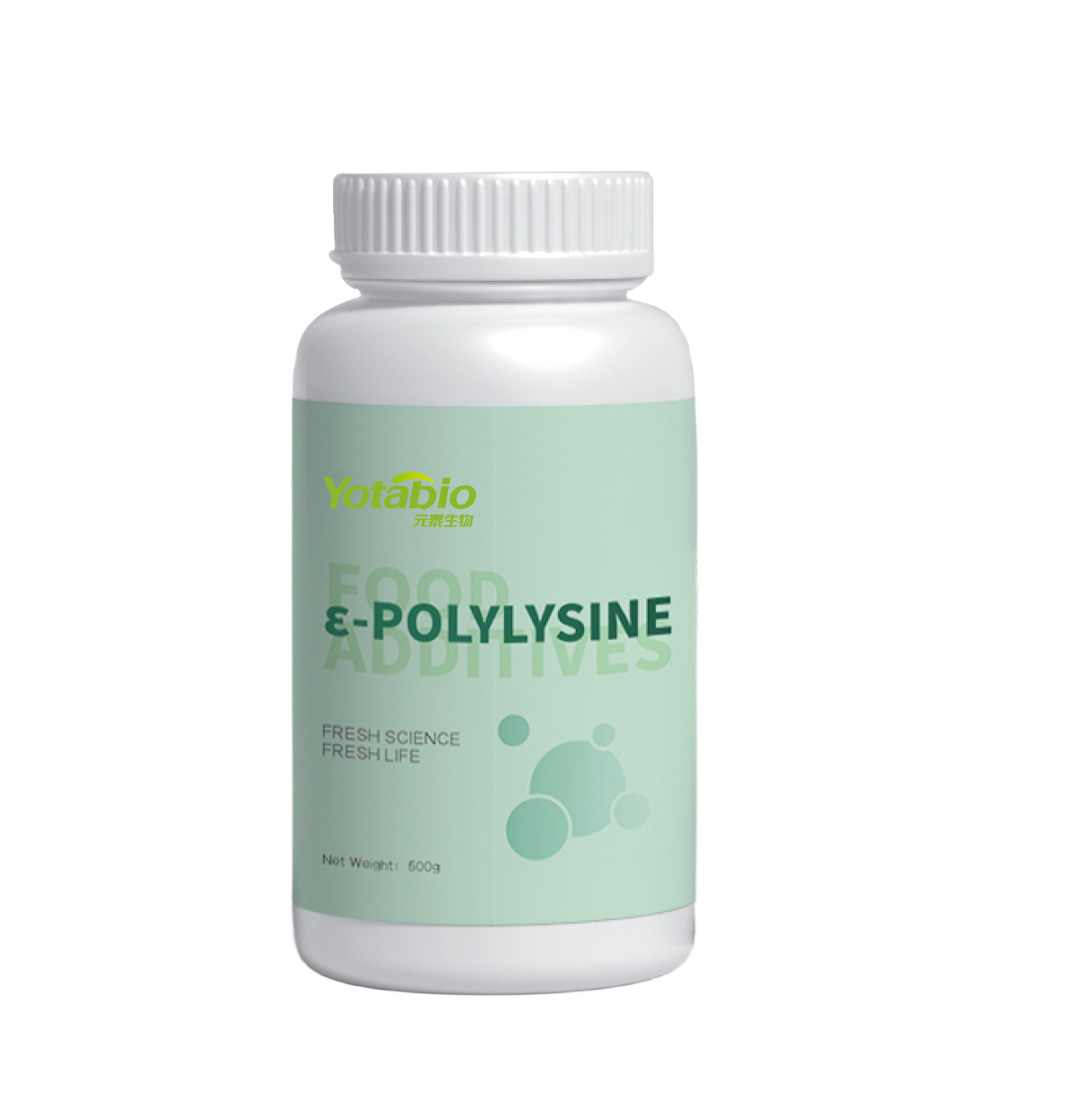
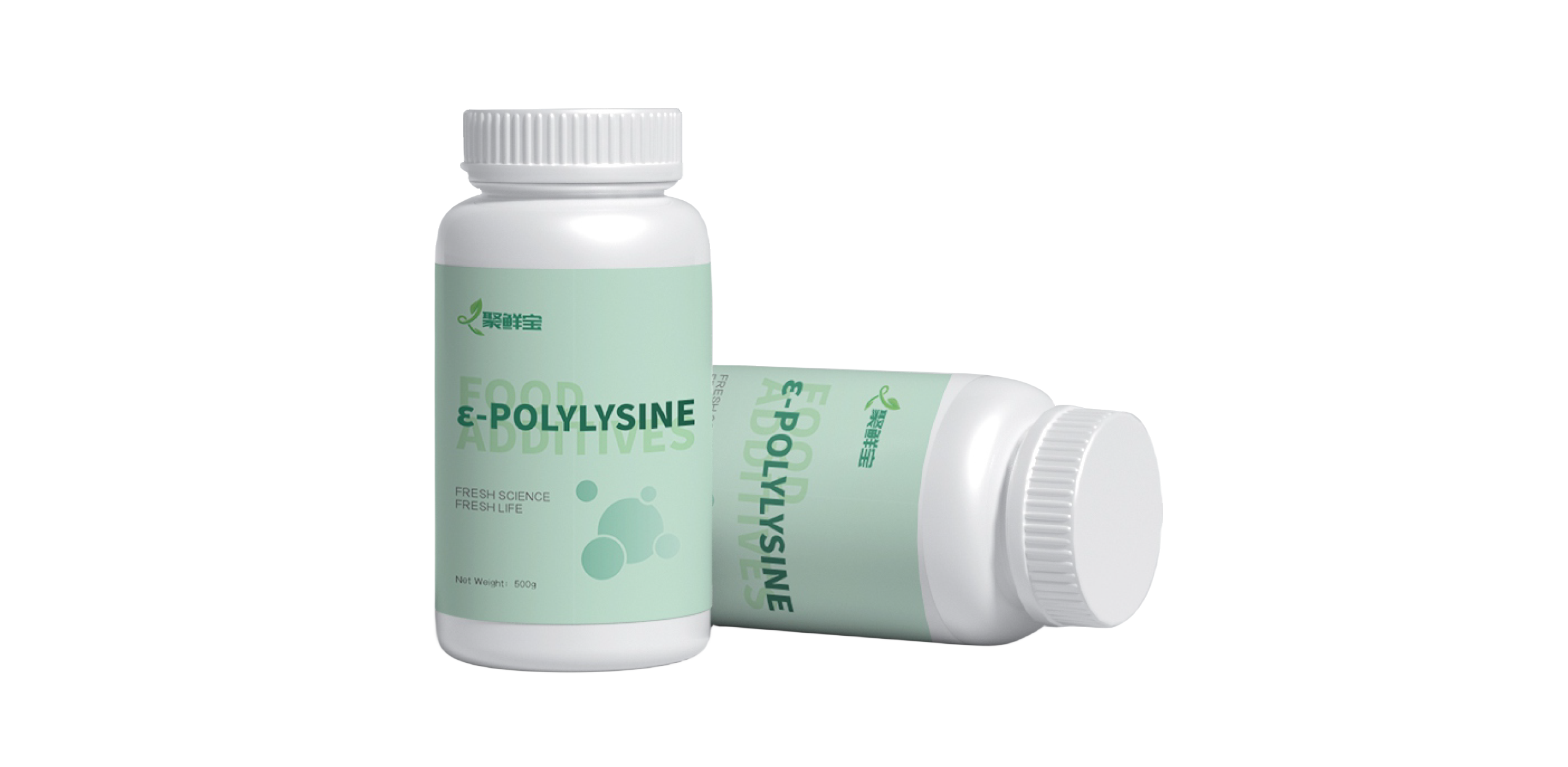
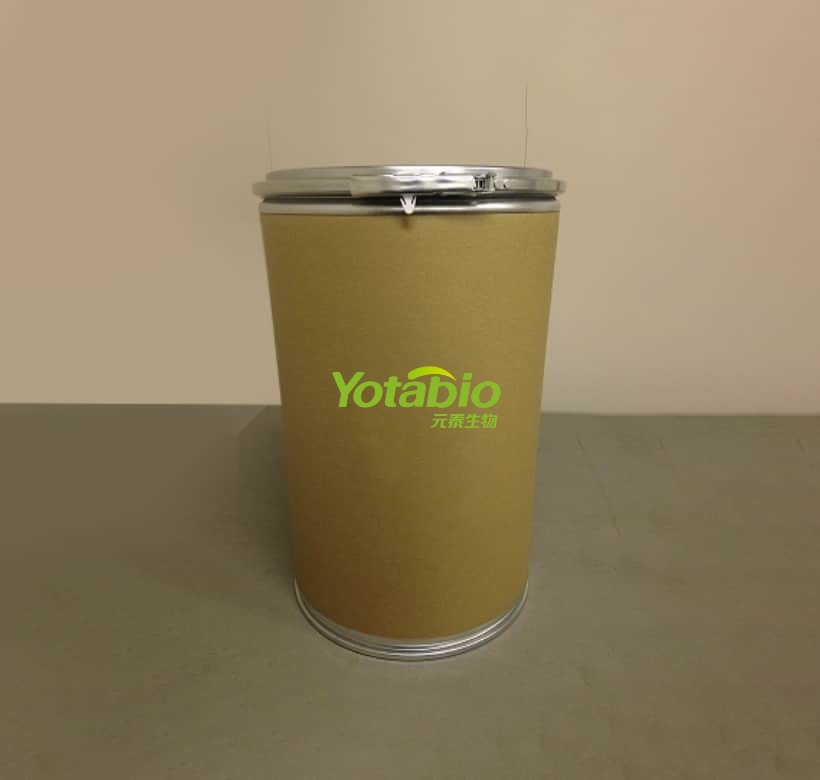
- Packaging: Available in 500g polyethylene bottles with tamper-proof seals (loaded in 10kg cartons). 25kg drums available upon request.
- Storage: Store unopened under 20°C in dry, well-ventilated conditions, away from direct sunlight and moisture.
- Shelf Life: 24 months (2 years) under recommended storage conditions.
Regulatory Status
- US FDA GRAS: GRN000135
- REACH: Exempt (L-Lysine)
- Global Approvals: Approved as a food additive and cosmetic ingredient in China, USA, Japan, Korea, and various other regions.
4. ANTIMICROBIAL EFFICACY (MIC VALUES)
ε-Polylysine demonstrates powerful efficacy at very low concentrations (measured in ppm or mg/L).
5. FOOD & BEVERAGE APPLICATIONS
Approved as GRAS by the US FDA (GRN000135), ε-Polylysine extends shelf life by 3 to 7 times. Recommended dosages typically range from 100 mg/kg to 500 mg/kg (0.01% - 0.05%) depending on the application.
Bakery & Confectionery
- Cakes, Muffins & Cheesecakes: 100 mg/kg (0.01%)
- Pancakes, Waffles & Pastries: 250 mg/kg (0.025%)
- Sweet Syrups & Puddings: 250 mg/kg (0.025%)
Dairy & Beverages
- Yogurt & Cream: 100 mg/kg (0.01%)
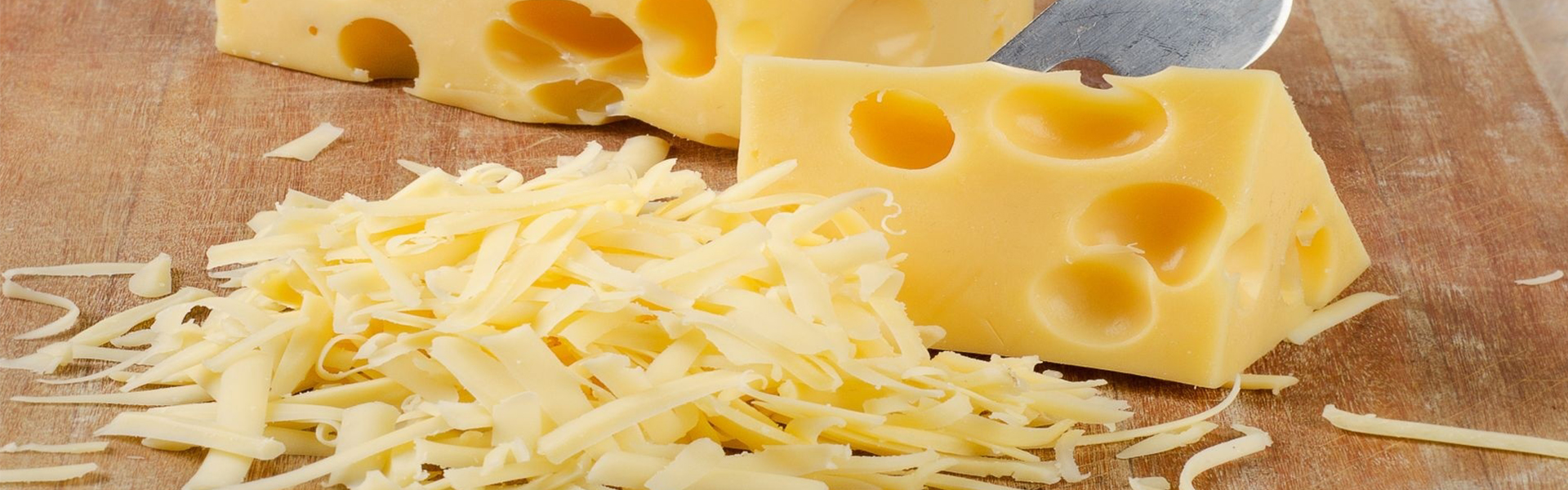
- Cheese (Cottage, Feta, Mozzarella): 250 mg/kg (0.025%)
- Soft Drinks, Juices & Teas: 250 mg/kg (0.025%)
Meat, Poultry & Seafood
- Boiled/Smoked Sausages & Minced Meat: 250 mg/kg. Inhibits pathogenic flora without altering the meat's natural flavor.
- Liquid Marinades & Kebabs: Allows for salt reduction while preventing spoilage.
- Seafood (Sushi, Scallops, Shrimp): 100 - 500 mg/kg. Highly effective in high-moisture, raw environments.
Culinary & Prepared Foods
- Boiled Rice & Noodles: 200 - 500 mg/kg
- Soups & Sauces: 100 - 500 mg/kg
- Potato Salads & Cooked Veggies: 500 mg/kg
6. COSMETICS & PERSONAL CARE (INCI: Polylysine)
In the cosmetic industry, ε-Polylysine serves as a multifunctional, natural green ingredient. It acts as a broad-spectrum preservative, a moisturizer, and a nutritional supplement for skin and hair.
Cosmetic Benefits
- Preservative: Effectively replaces synthetic parabens. Extends shelf life of lotions, masks, serums, sunscreens, and shampoos.
- Moisturizer: Its unique molecular structure provides strong hydro-retention properties, effectively increasing the skin's ability to retain moisture.
- Nutrition: Supplements skin and hair with essential amino acids, increasing tissue viability and slowing skin aging.
Formulation Guidelines
Recommended Dosage: 0.01% - 0.5% (up to 1% as an active ingredient).
Compatibility Warning: Because ε-Polylysine exhibits a cationic behavior (positively charged amino groups), it should not be combined with anionic surfactants or strong electrolytes, as this will cause precipitation and loss of efficacy. It also binds to bacterial-derived polysaccharides (like Xanthan Gum); consider using Tara Gum or Guar Gum as thickener alternatives.
7. BIOPLASTICS & PACKAGING
ε-Polylysine has significant potential in the preparation of antimicrobial bioplastics and sustainable food packaging materials due to its biocompatibility and biodegradability.
- Food Packaging Films: Can be directly blended with biodegradable polymers like PLA (Polylactic Acid), Starch, or PHA to create active packaging that extends the shelf life of fresh fruits and vegetables.
- Surface Coating: Bioplastic products, disposable tableware, or medical devices can be immersed or sprayed with a polylysine solution to form a localized antimicrobial layer.
- Medical Devices: Suitable for single-use biodegradable medical instruments and sutures.