
PRODUCTS
Popular products
Antimicrobial
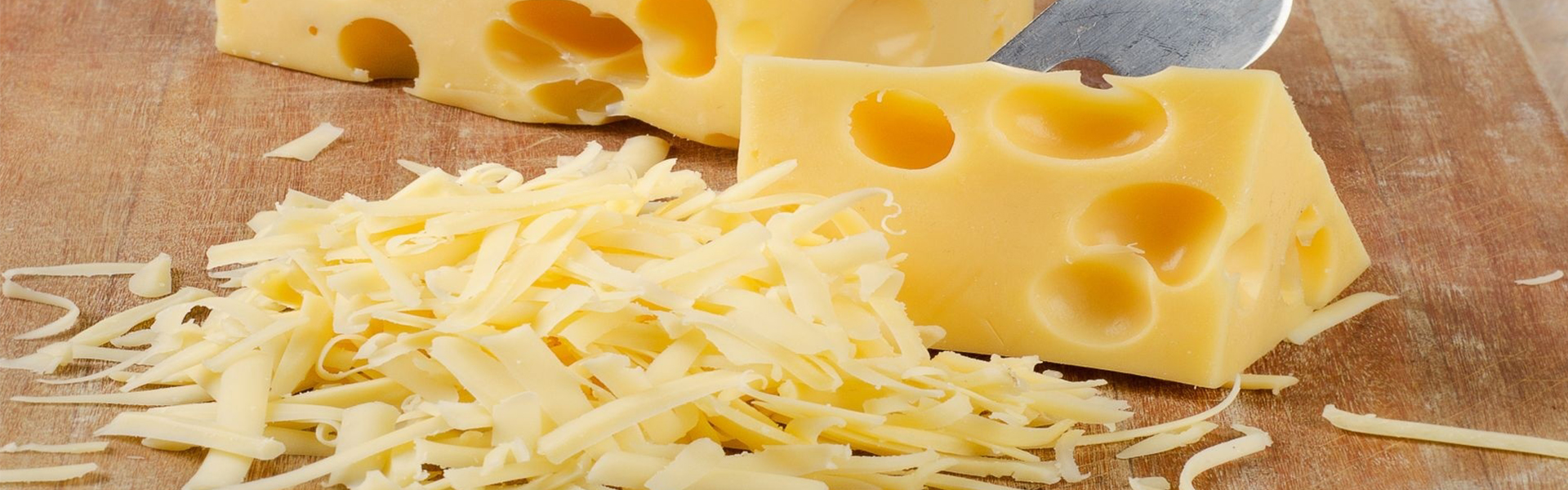
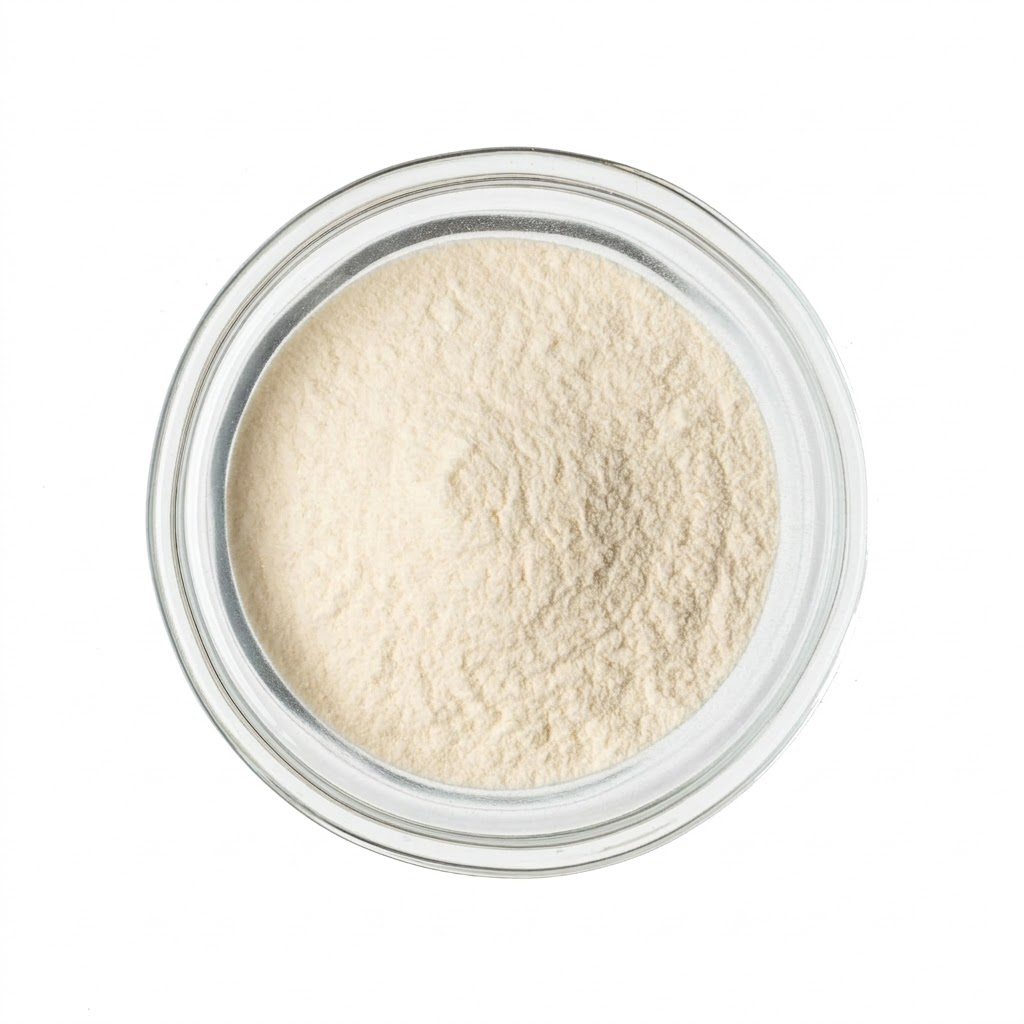
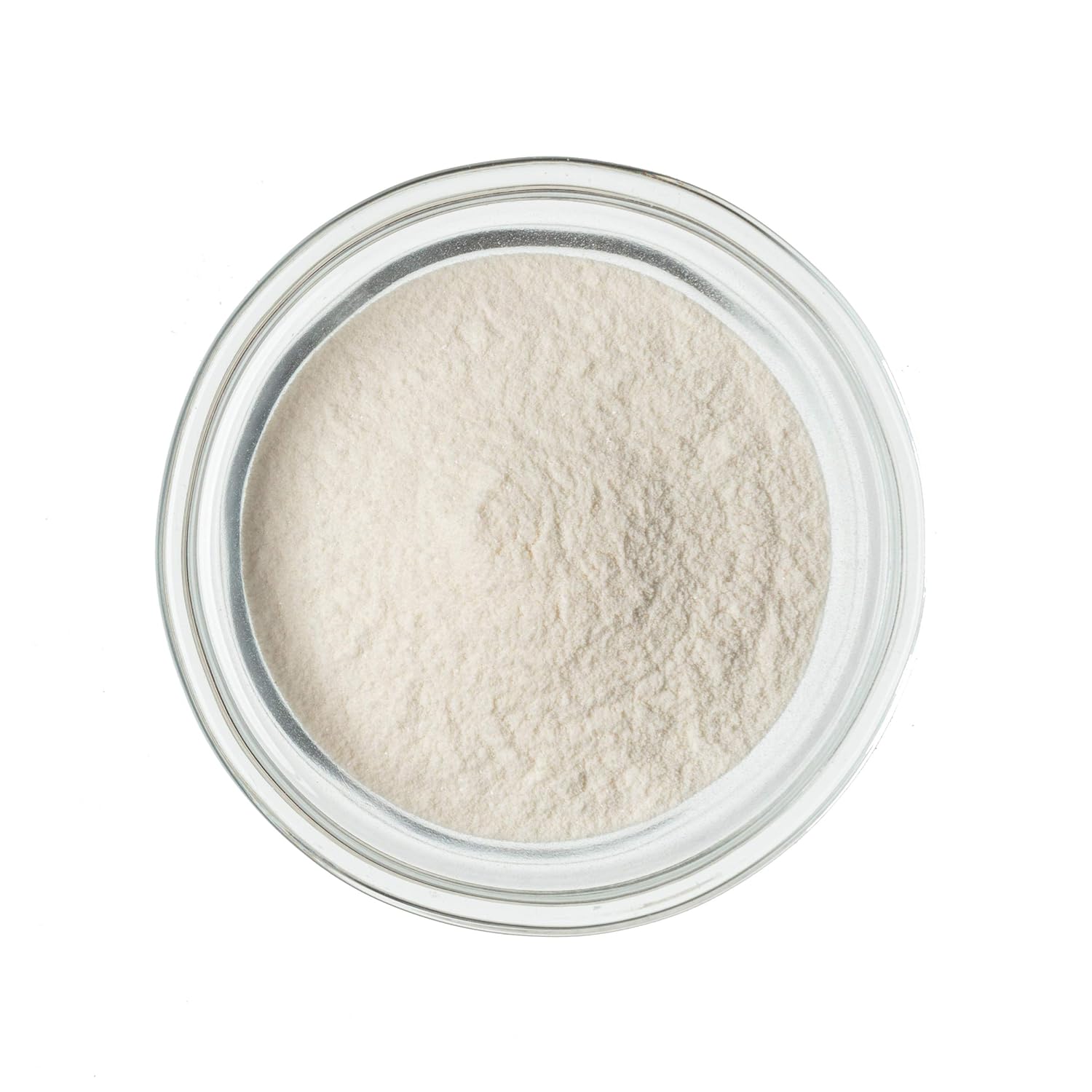
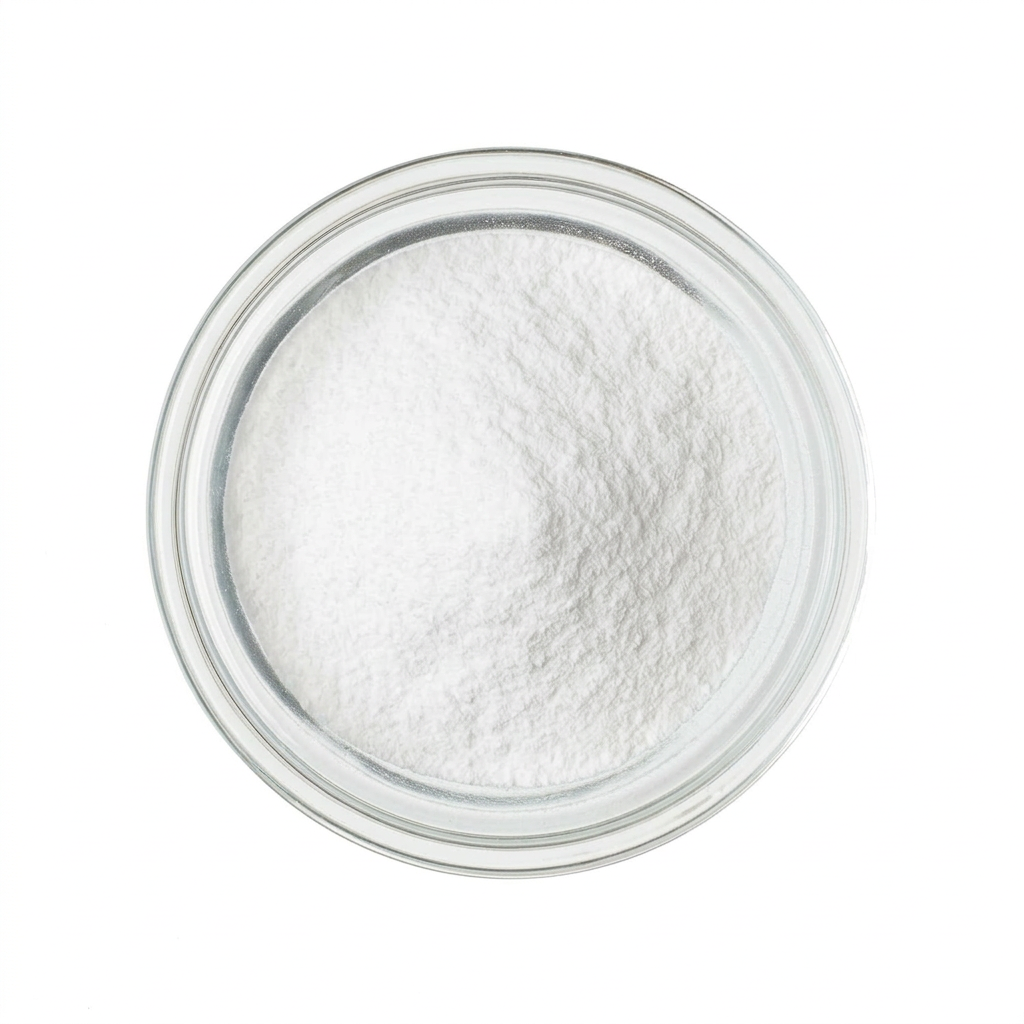
FRESHMIX AM is an antimicrobial agent effective on four main undesired pathogens (Salmonella, Coliform, E.coli, S.aureus) on foodstuff. Used based on the microorganism load contained in milk, FRESHMIX AM reduces the pathogen microorganisms below the threshold value in 48 hours and prevents their reproduction for a long time.
Contact me:
Technical Data Sheet
FRESHMIX AM — Antimicrobial
Organic Acid Premix · Targeted Dairy Pathogen Control · 4-Pathogen Elimination in 48h
Sodium Lactate (E-325) · Acetic Acid (E-260) · Sodium Acetate (E-262)
Synergistic Organic Acid Blend · Dairy-Optimised Antimicrobial Premix · Model: Premix
Synergistic Organic Acid Blend · Dairy-Optimised Antimicrobial Premix · Model: Premix
Doc: TDS-FXAM-001
Rev: 01 · June 2026
Rev: 01 · June 2026
📋 Product Identification
Product Name
FRESHMIX AM (Antimicrobial)
Product Line
YOTABIO FRESHMIX Series
Model No.
Premix
Resource Category
Natural Preservatives
Application Class
Food Preservatives — Antimicrobial Agent
Appearance
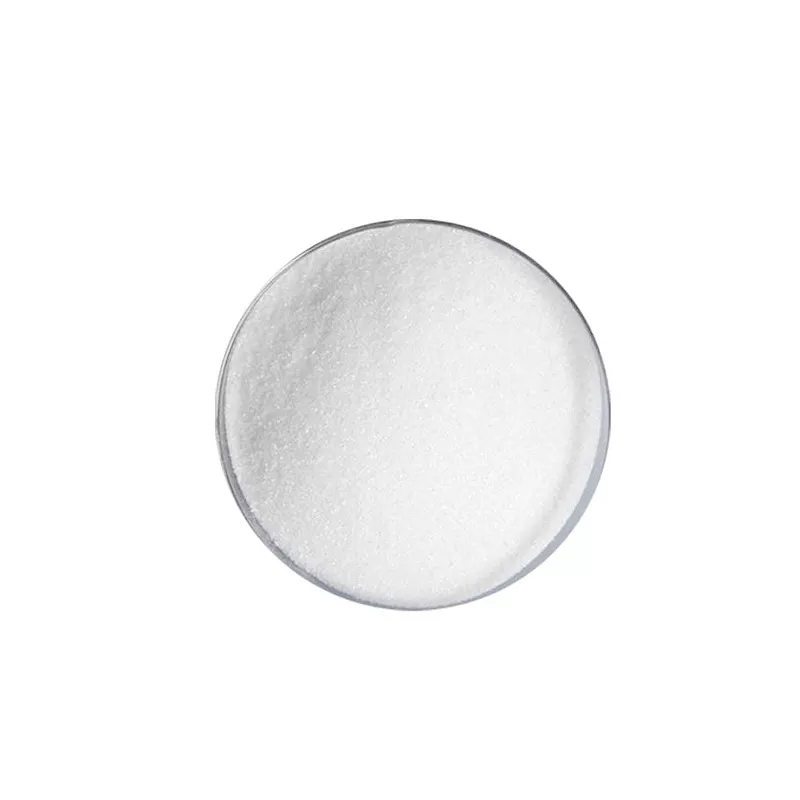
White Powder (specific appearance and colour)
Odour / Taste
Specific odour (mild acetic)
pH (10 % solution)
4.5 – 5.0
Standard Dosage
0.1 % (w/w) — varies by application
Trademark
YOTABIO FRESHMIX
HS Code
2941909099
Origin
Made in China
Production Capacity
100 Tons
Shelf Life
2 Years
Packaging
25 kg Kraft Bag / Drum
Target Sector
Dairy Industry (Cheese, Yoghurt, Butter, Buttermilk)
🔬 Product Description
FRESHMIX AM is a synergistic organic acid antimicrobial premix specifically formulated for the dairy industry. It is effective against four major undesired foodborne pathogens — Salmonella spp., Coliforms, Escherichia coli, and Staphylococcus aureus — in dairy products.
Based on the microorganism load contained in milk, FRESHMIX AM reduces pathogen microorganisms below the regulatory threshold value within 48 hours and prevents their reproduction for a long time. The product works by creating an inhospitable acidic micro-environment through the combined action of its three organic acid components, each contributing a distinct antimicrobial mechanism.
Critically, FRESHMIX AM does not affect yeast or starter cultures, making it fully compatible with dairy fermentation processes. It acts as a pH balancer, prevents gas formation (swelling, bulging) in cheese packaging, and does not alter the chemical structure, taste, or appearance of the final product. In case of overdose, FRESHMIX AM is not hazardous to human health. Analytical testing on products produced with FRESHMIX shows precise results with no detectable residual findings.
Based on the microorganism load contained in milk, FRESHMIX AM reduces pathogen microorganisms below the regulatory threshold value within 48 hours and prevents their reproduction for a long time. The product works by creating an inhospitable acidic micro-environment through the combined action of its three organic acid components, each contributing a distinct antimicrobial mechanism.
Critically, FRESHMIX AM does not affect yeast or starter cultures, making it fully compatible with dairy fermentation processes. It acts as a pH balancer, prevents gas formation (swelling, bulging) in cheese packaging, and does not alter the chemical structure, taste, or appearance of the final product. In case of overdose, FRESHMIX AM is not hazardous to human health. Analytical testing on products produced with FRESHMIX shows precise results with no detectable residual findings.
4-Pathogen Kill
Salmonella, Coliform, E. coli, S. aureus — eliminated in 48 hours
Culture-Safe
Does not affect yeast or starter cultures in dairy fermentation
pH Balancer
Stabilises and regulates product pH for consistent quality
Heat Stable
Pasteurisation and boiling (95–98 °C) do not affect efficacy
Anti-Swell
Prevents swelling, bulging, holes & buds in cheese
Overdose-Safe
No hazard to human health even at excess dosage levels
🧪 Composition — Active Components
FRESHMIX AM is a precisely blended ternary organic acid premix comprising three EU-authorised, GRAS-status food additives. The synergistic combination delivers antimicrobial action through complementary mechanisms: direct acidification, membrane disruption, and water activity reduction.
E-325
Sodium Lactate
NaC₃H₅O₃ · CAS 72-17-3
Antimicrobial & humectant. Lowers water activity (aw), increases lag phase of pathogens, inhibits S. aureus & Salmonella. Buffering & pH regulation. Natural metabolite of the human body.
E-260
Acetic Acid
CH₃COOH · CAS 64-19-7
Primary acidulant. Lowers pH, disrupts bacterial membranes, inhibits Gram-negative species (E. coli, Salmonella). Natural component of vinegar. Strongest broad-spectrum acid in the blend.
E-262
Sodium Acetate
CH₃COONa · CAS 127-09-3
Buffer & preservative. Stabilises pH, acts as acetate reservoir, reinforces antimicrobial effect of acetic acid. Non-flammable, low toxicity. EU quantum satis.
WHY THIS COMBINATION WORKS: Lactic and acetic acids have been determined to be "slightly synergistic in their inhibitory interrelationship against Salmonella typhimurium"(Mbandi & Shelef, 2001). Sodium lactate lowers aw and extends the lag phase, while acetic acid directly disrupts membranes and lowers intracellular pH. Sodium acetate buffers the system for sustained release. The trio provides overlapping, complementary hurdles against all four target pathogens.
⚙️ Mechanism of Action
FRESHMIX AM employs the hurdle technology principle — multiple simultaneous antimicrobial barriers that together are more effective than any single component. The three organic acid components act through complementary pathways:
1
pH Reduction
Acetic acid (E-260) lowers the environmental pH to 4.5–5.0, creating conditions that are inhospitable for Salmonella, E. coli, S. aureus, and Coliforms. The undissociated acid molecules penetrate the cell membrane, releasing H⁺ ions inside the cell and disrupting intracellular pH homeostasis.
2
aw Reduction
Sodium lactate (E-325) reduces water activity (aw), making less free water available for microbial growth. This extends the lag phase (the time before pathogens begin multiplying) and decreases growth yield. Effect is enhanced at lower storage temperatures.
3
Sustained Buffering
Sodium acetate (E-262) acts as an acetate reservoir and pH buffer, maintaining a stable acidic environment over time. As acetic acid is consumed or neutralised, sodium acetate replenishes the antimicrobial acetate pool, ensuring prolonged pathogen suppression.
SELECTIVITY: FRESHMIX AM targets only the four specified pathogens and does not inhibit beneficial lactic acid bacteria (LAB), starter cultures, or yeasts used in dairy fermentation. This is because LAB are naturally adapted to acidic environments (they produce lactic acid themselves), whereas the four target pathogens are sensitive to the specific pH range and organic acid combination in the blend.
🦠 Target Pathogens & Selectivity
☠️ Eliminated Within 48 Hours
1. Salmonella spp.
Gram-negative enteric pathogen. Major cause of foodborne illness worldwide. Sensitive to both acetic acid (membrane disruption) and sodium lactate (aw reduction).
2. Escherichia coli
Gram-negative. Includes pathogenic strains (O157:H7, STEC). Sodium lactate lowers growth yield; acetic acid inhibits through intracellular acidification.
3. Coliform bacteria
Indicator organisms for faecal contamination and hygiene quality. Eliminated by the combined pH lowering and organic acid action of the blend.
4. Staphylococcus aureus
Gram-positive toxin producer. Sodium lactate shows strong antimicrobial effect through increased lag phase and decreased growth yield.
Gram-negative enteric pathogen. Major cause of foodborne illness worldwide. Sensitive to both acetic acid (membrane disruption) and sodium lactate (aw reduction).
2. Escherichia coli
Gram-negative. Includes pathogenic strains (O157:H7, STEC). Sodium lactate lowers growth yield; acetic acid inhibits through intracellular acidification.
3. Coliform bacteria
Indicator organisms for faecal contamination and hygiene quality. Eliminated by the combined pH lowering and organic acid action of the blend.
4. Staphylococcus aureus
Gram-positive toxin producer. Sodium lactate shows strong antimicrobial effect through increased lag phase and decreased growth yield.
✅ Not Affected (Safe)
Starter Cultures:
Lactobacillus spp., Streptococcus thermophilus, Lactococcus lactis, Leuconostoc spp. — all acid-tolerant LAB remain unaffected.
Yeasts:
Dairy-relevant yeasts used in cheese-making processes are not inhibited by FRESHMIX AM at standard dosages.
Ripening Flora:
Surface and internal ripening microflora for aged cheeses remain intact — natural fermentation processes are not disturbed.
Rennet & Enzymes:
Coagulation enzymes and rennet activity are not affected. Note: Reduce CaCl₂ by ~1 kg (aqueous) when using with cultures — contact YOTABIO technical service.
Lactobacillus spp., Streptococcus thermophilus, Lactococcus lactis, Leuconostoc spp. — all acid-tolerant LAB remain unaffected.
Yeasts:
Dairy-relevant yeasts used in cheese-making processes are not inhibited by FRESHMIX AM at standard dosages.
Ripening Flora:
Surface and internal ripening microflora for aged cheeses remain intact — natural fermentation processes are not disturbed.
Rennet & Enzymes:
Coagulation enzymes and rennet activity are not affected. Note: Reduce CaCl₂ by ~1 kg (aqueous) when using with cultures — contact YOTABIO technical service.
📊 Product Specifications
📝 General Direction for Use
FRESHMIX AM is designed for straightforward integration into dairy production workflows. The standard dosage is 0.1 %, though specific applications may require adjusted concentrations. The product must be aerated for 5–10 minutes before use and dissolved in water prior to addition.
1
Aerate
Aerate FRESHMIX AM for 5–10 minutes prior to use
→
2
Dissolve
Dissolve the required amount in water (1–2 L) with stirring
→
3
Mix
Add to product & mix homogeneously throughout vessel
→
4
48h Action
Pathogens reduced below threshold in 48 hours
→
5
Long-Term
Prevents re-growth for the entire shelf life
IMPORTANT: FRESHMIX AM must be aerated for 5–10 minutes before use to ensure optimal activity. Always dissolve in water first — do not add dry powder directly to product. When used with cultured white cheese, wait 15–20 minutes after adding starter culture before adding FRESHMIX AM. Reduce Calcium Chloride by approximately 1 kg (aqueous) — contact YOTABIO technical service for precise adjustment.
⚗️ Application Dosage Guide — Dairy Products
FRESHMIX AM dosages are tailored for each dairy application. All concentrations are expressed as % w/w relative to the product mass (milk, brine, cream, etc.).
🏆 Key Benefits
🏭 Application Matrix
📜 Component Regulatory & Safety Status
All three components of FRESHMIX AM are individually authorised food additives with established safety profiles and widespread global approval. Each carries GRAS status (FDA) and EU authorisation under Regulation (EC) No 1333/2008.
🇪🇺
European Union
All components authorised
Reg. (EC) 1333/2008
Quantum satis principle
Group I additives
Reg. (EC) 1333/2008
Quantum satis principle
Group I additives
🇺🇸
United States FDA
All GRAS status
21 CFR compliance
Good Manufacturing Practice
limits apply
21 CFR compliance
Good Manufacturing Practice
limits apply
🌐
FAO / WHO (JECFA)
ADI "Not limited" for
all three components
Codex GSFA listed
Lowest toxicological concern
all three components
Codex GSFA listed
Lowest toxicological concern
🛡️ Safety & Toxicology
Each component of FRESHMIX AM is a normal metabolite of the human body, ensuring an inherently high margin of safety. The organic acids are routinely produced during normal human metabolism and are present in everyday foods.
OVERDOSE SAFETY: In FRESHMIX AM use, overdose is not hazardous to human health. All three components are natural metabolites with "not limited" ADI values. At food-grade concentrations, the only consideration for excessive use would be elevated sodium intake, which is relevant primarily for individuals on sodium-restricted diets.
🔗 Synergistic Combinations with YOTABIO Products
FRESHMIX AM targets bacteria only (specifically 4 pathogens). For comprehensive antimicrobial protection including antifungal coverage, it can be combined with other YOTABIO products:
RECOMMENDED DAIRY STACK: For maximum protection in cheese production, consider the FRESHMIX AM + Natamycin + Nisin trio: FRESHMIX AM eliminates the 4 key pathogens within 48 hours, Natamycin prevents all mould & yeast on surfaces, and Nisin provides broad Gram-positive antibacterial coverage including Listeria and Clostridium. This combination provides comprehensive antimicrobial protection across all microorganism classes.
⚖️ FRESHMIX AM vs Traditional Approaches
📦 Storage, Handling & Packaging
Temperature
Ambient · Cool & Dry
Conditions
Dry · Sealed · Dark
Shelf Life
24 Months
Packaging
25 kg Kraft Bag / Drum
HANDLING REMINDER: Always aerate FRESHMIX AM for 5–10 minutes before use. Store in original sealed packaging. Keep away from moisture and direct sunlight. Once opened, reseal tightly and use within a reasonable period. Dissolve in water before adding to food products — do not add dry powder directly.
🔧 Troubleshooting & FAQs
📄 Available Documents
Ready to Eliminate Dairy Pathogens in 48 Hours?
Contact YOTABIO for samples, COA documents, dosage optimisation, or custom FRESHMIX formulations for your specific dairy process.