PRODUCTS
Popular products
Technical Data Sheet
Chitosan
Natural Antimicrobial Biopolymer · Derived from Crustacean Chitin
Poly(D-glucosamine) · (C₆H₁₁NO₄)ₙ
Doc: TDS-CHT-A90101
Rev: 03 · June 2026
Rev: 03 · June 2026
📋 Product Identification
Product Name
Chitosan
Product Code
A-90101
INCI Name
Chitosan
CAS Number
9012-76-4
Chemical Name
Poly(D-glucosamine)
Molecular Formula
(C₆H₁₁NO₄)ₙ
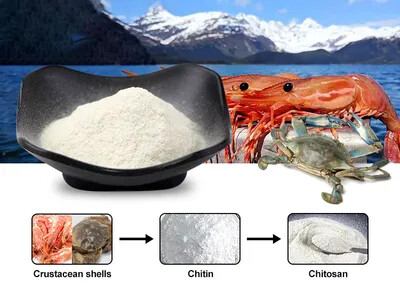
Source Material
Crustacean Shell (Shrimp / Crab)
Grade
Food Grade
Appearance
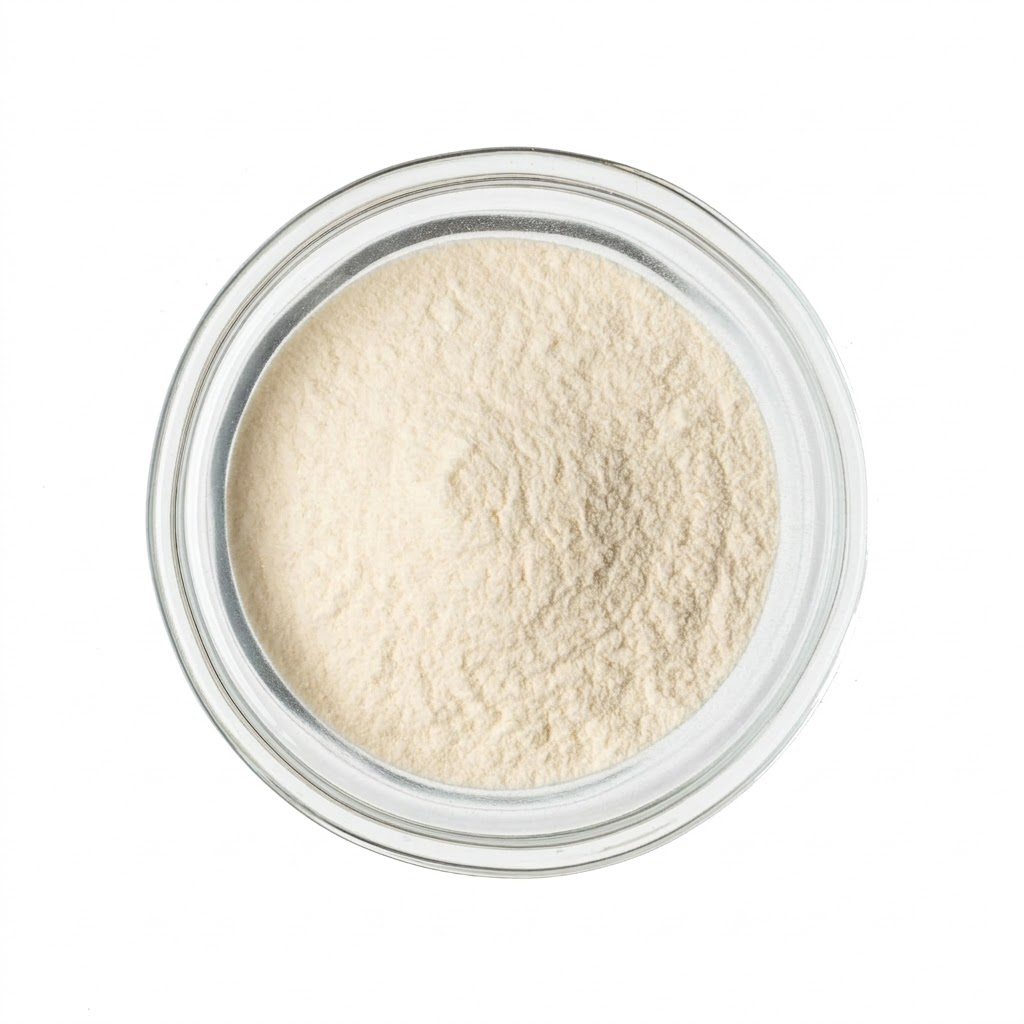
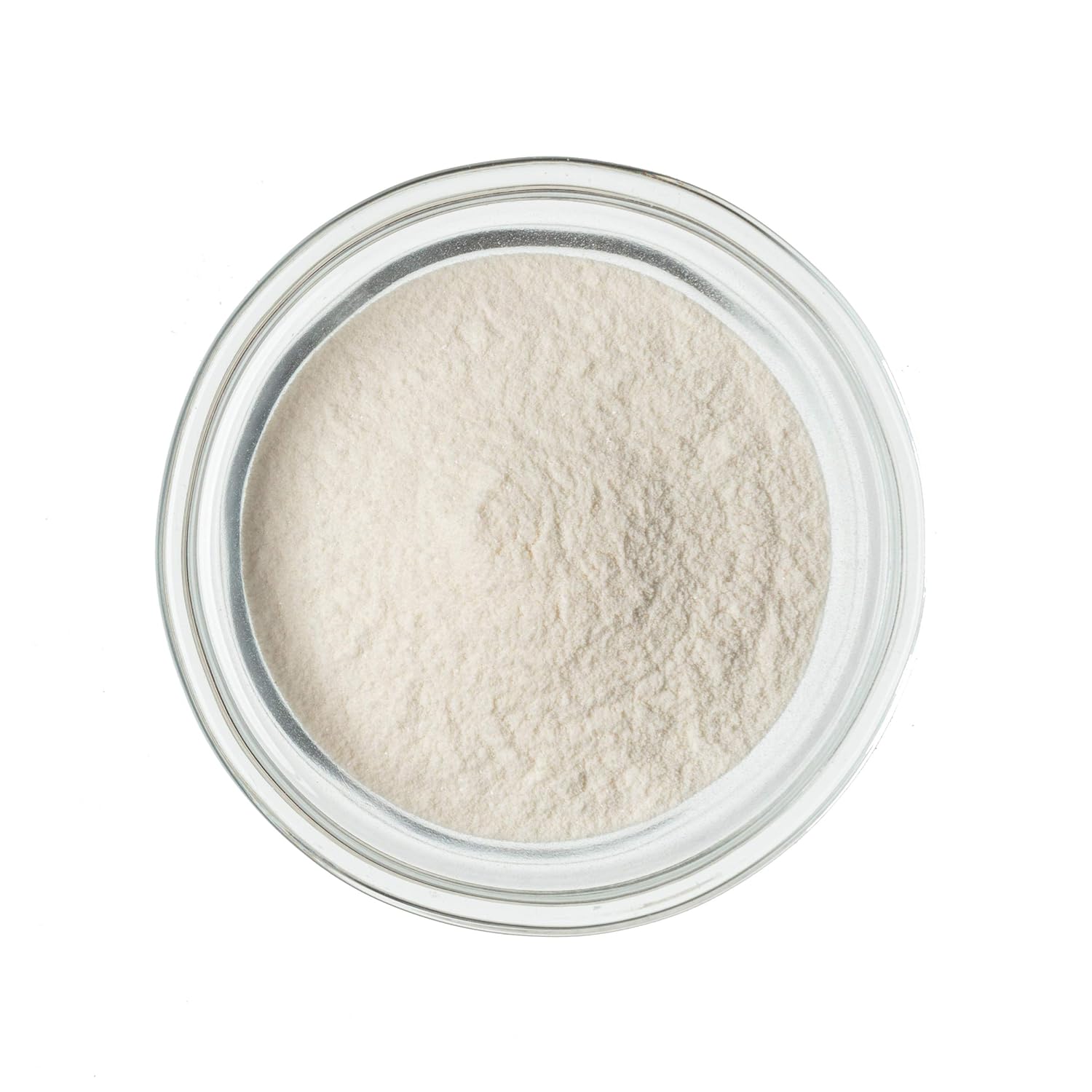
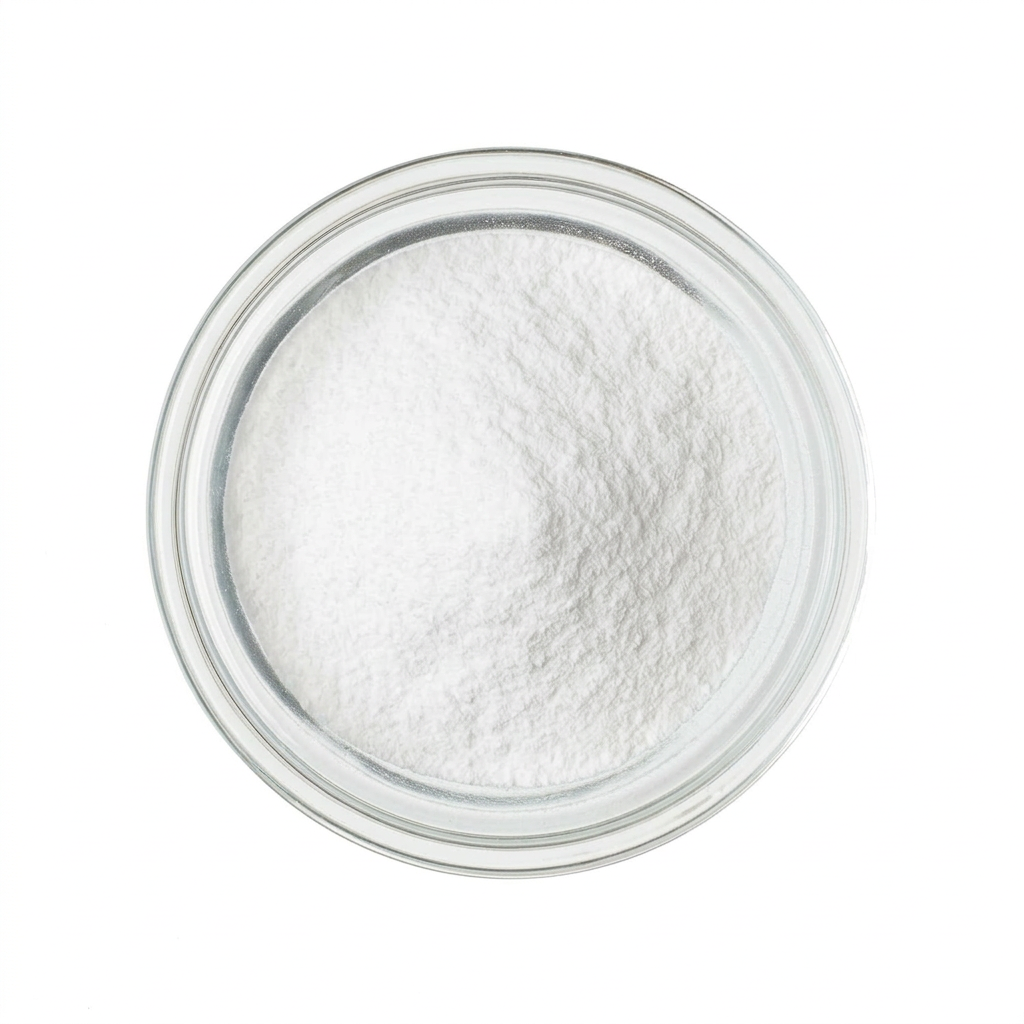
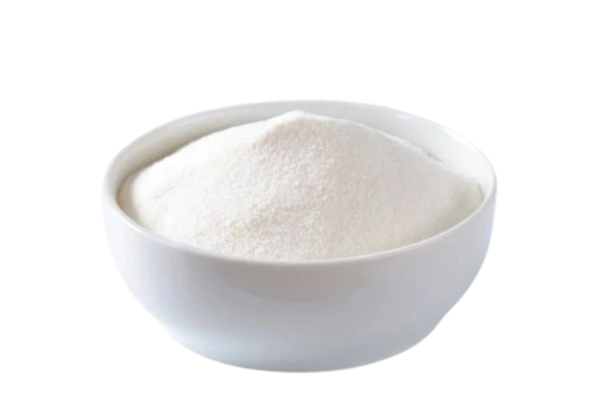
White to light yellow free-flowing powder
Solubility
Soluble in dilute organic acids (e.g. 1% acetic acid)
🔬 Product Description
Chitosan is a natural linear polysaccharide composed of β-(1→4)-linked D-glucosamine and N-acetyl-D-glucosamine units. It is produced by the deacetylation of chitin, the second most abundant natural polysaccharide found in crustacean exoskeletons. The resulting free amino groups at the C-2 position give chitosan its characteristic cationic charge at acidic pH, enabling electrostatic interaction with negatively charged microbial cell membranes — the primary mechanism behind its broad-spectrum antimicrobial activity.
Antimicrobial
Broad-spectrum against bacteria, fungi & yeasts
Film-Forming
Edible coatings & biodegradable packaging films
Natural & Biodegradable
Biocompatible, non-toxic, renewable source
Chelating
Binds metal ions for water treatment & fining
Moisture Barrier
Reduces water loss & transpiration in produce
Clarifying Agent
Flocculates particles in beverages & liquids
📊 Specifications
⚙️ Mechanism of Action
Chitosan's antimicrobial effect is primarily driven by electrostatic disruption of microbial cell membranes. The positively charged amino groups (–NH₃⁺) interact with negatively charged surface components — lipopolysaccharides in Gram-negative bacteria, teichoic acids in Gram-positive bacteria, and phospholipids in fungi — causing membrane permeability changes, leakage of intracellular contents, and cell death. Secondary mechanisms include DNA binding (low MW chitosan inhibits mRNA/protein synthesis), metal chelation (sequesters Fe²⁺, Zn²⁺ essential for microbial growth), and surface film formation (high MW chitosan blocks nutrient/oxygen uptake).
🏭 Applications
📜 Regulatory Information
🇺🇸 United States
GRAS (GRN 997). EPA-listed minimum risk biopesticide.
🇪🇺 European Union
Processing aid / packaging in some member states. May require Novel Food authorization.
🇯🇵 Japan & 🇰🇷 Korea
Accepted as dietary supplement and functional food ingredient.
🇨🇳 China
Approved food additive. Listed in national food safety standards.
⚠ Regulatory status varies by region. Verify local regulations before use. Regulatory support documentation available upon request.
📦 Storage & Handling
Temperature
< 25 °C
Conditions
Cool, Dry, Well-Sealed
Shelf Life
24 Months
ALLERGEN NOTICE: Derived from crustacean shellfish (shrimp/crab). Not suitable for individuals with shellfish allergies. Ensure proper labeling per local allergen regulations.
Need Samples or Custom Specifications?
Contact our technical team for samples, COA documents, or customized chitosan grades.